California's Davis-Stirling Act obliges your association to run a fair, reasonable and expeditious architectural review, to decide in good faith rather than arbitrarily, and to give written reasons if it denies your application - with a right to have the board reconsider. It also strips certain things from the association's reach entirely: artificial turf, low-water landscaping, solar, EV charging and accessory dwelling units cannot be banned. A complete submittal with scaled drawings, a material board and product cut sheets is the difference between one review cycle and four.
What the law requires of the association
Civil Code Section 4765 sets the ground rules for architectural review in a common interest development. The association must have a procedure that is fair, reasonable and expeditious. The procedure has to be described in the annual policy statement sent to every member, so you are entitled to know how it works before you apply.
Decisions must be made in good faith, and cannot be unreasonable, arbitrary or capricious. If the application is denied, the decision must be in writing and must include an explanation of the reasons. The applicant then has the right to request reconsideration by the board of directors, and the board must consider it at an open meeting.
None of that guarantees approval. It guarantees process. In practice, the process obligations are what give a well-prepared homeowner leverage, because a vague denial with no stated reason is not a compliant decision.
Pro Tip
Request the association's architectural guidelines and annual policy statement in writing before you design anything.
What an HOA cannot prohibit
California has carved several items out of association control, and several are directly relevant to backyard work.
Artificial turf and low-water landscaping. Civil Code Section 4735 prohibits an association from banning low-water-using plants or synthetic turf in a homeowner's own yard, or from enforcing a rule that has that effect. Reasonable standards on quality and appearance remain enforceable.
Solar. The Solar Rights Act at Civil Code Section 714 limits restrictions that significantly increase cost or reduce performance of a solar installation.
EV charging. Civil Code Section 4745 protects a homeowner's right to install charging in an exclusive-use area, subject to reasonable conditions.
ADUs. Civil Code Section 4751 prevents a common interest development from prohibiting an ADU or junior ADU on a single-family lot.
Clotheslines and drying racks are protected as well.
Expect reasonable aesthetic conditions on all of these. Expect a flat prohibition on none of them.
Pro Tip
If a rule effectively prohibits protected work through impossible conditions, that is the argument to make in writing.
Ready to Start Your Project?
Schedule a free consultation with our design team.
What a complete submittal contains
Most denials are really requests for information. Submit the whole package and you skip a round.
Site plan to scale, showing property lines, setbacks, existing and proposed structures, hardscape areas with square footages, and drainage direction.
Elevations and sections for anything vertical - pergola, cabana, raised spa, retaining wall - with heights called out from existing grade.
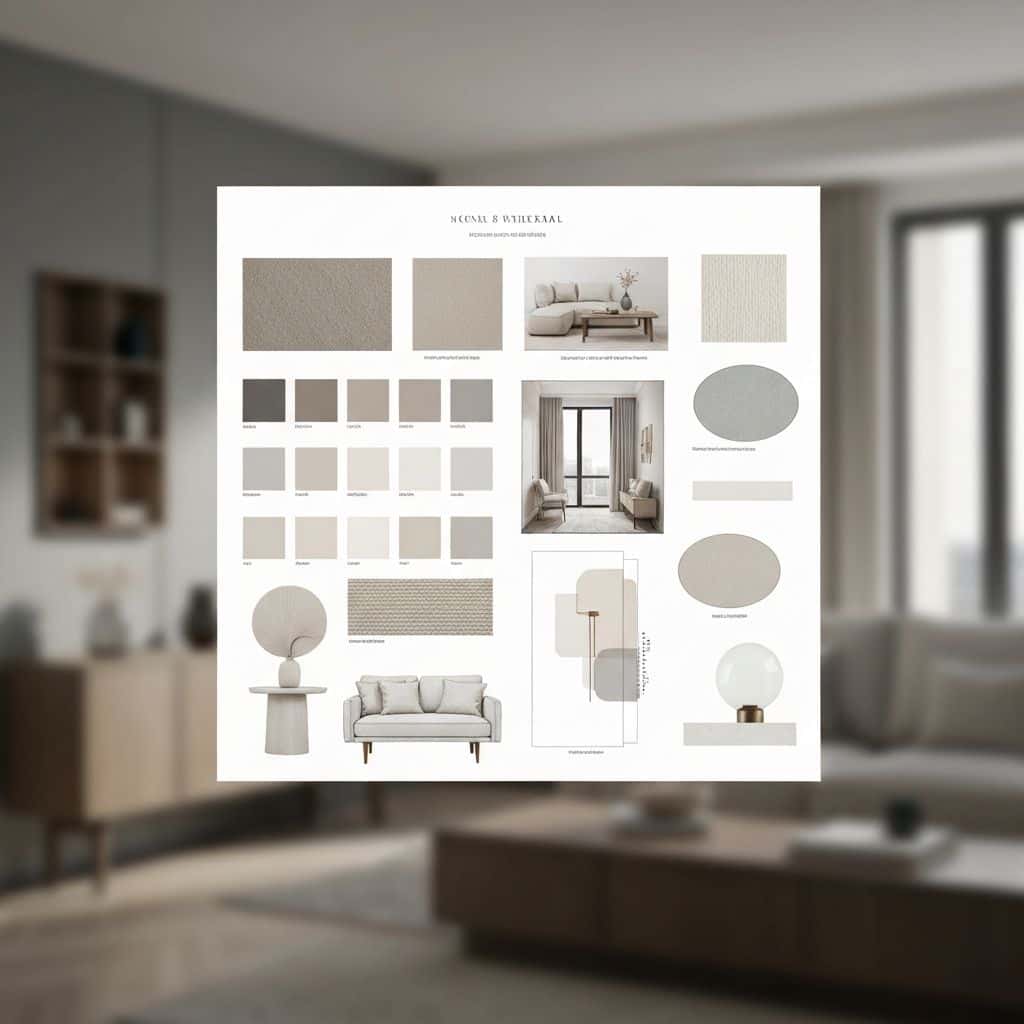
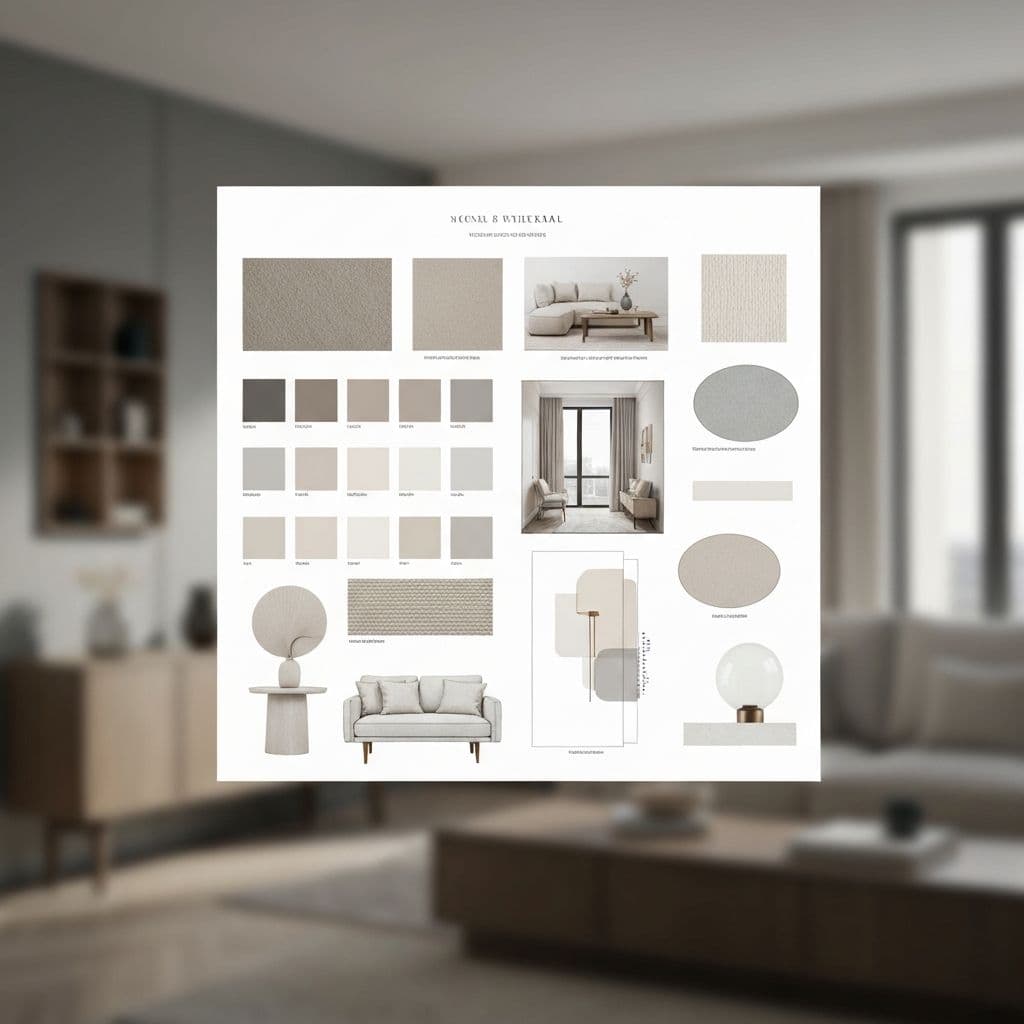
Material and finish board. Paver type and colour, coping, stone, stucco colour, fence material, decking. Physical samples where the committee accepts them.
Product cut sheets for pergolas, outdoor kitchen appliances, pool equipment and lighting fixtures.
Lighting plan with fixture locations, lumen output and colour temperature - 2700K warm white reads far better to a committee than 4000K.
Equipment details including noise rating in decibels and the enclosure or screening proposed.
Construction logistics: hours, parking, staging, portable toilet location, and how debris leaves.
Contractor licence and insurance certificates, usually naming the association as additional insured.
Many associations also hold a refundable deposit of $500 to $5,000 against damage to common areas.
Pro Tip
A 3D rendering is not required but resolves more committee objections than any other single document.
Where applications actually run into trouble
Six recurring issues, all predictable.
Height above the fence line. A pergola or cabana that breaks the sight line from a neighbour's window or a common area draws objections. Lowering a beam by eight inches often resolves it.
Equipment noise. Pool pumps and heaters near a party wall. A variable-speed pump running at low RPM plus a screened enclosure is usually enough; specify the decibel rating in the submittal.
Drainage onto neighbours. Any regrade that sends water toward an adjoining lot will be challenged. Show the drainage arrows and the discharge point.
View protection clauses. Some CC&Rs contain them; read yours before designing anything tall.
Encroachment into common area. Footings for a wall or pergola near a party wall can cross the line underground even when the structure does not.
Colour palettes. Many associations maintain an approved exterior palette. Working within it is easier than arguing for a variance.
Pro Tip
Talk to the immediate neighbours before submitting. A neighbour who has seen the plan rarely objects at the meeting.
Running HOA review and city plan check together
These are two separate approvals with no authority over each other. The city does not enforce your CC&Rs, and the association cannot waive the building code. Both have to say yes.
Sequence matters for cost. Get the association's approval, or at least a conditional approval, before you spend money on engineered construction documents. An HOA that requires a different roof form on the cabana can invalidate structural calculations you have already paid for.
The documents overlap heavily. A scaled site plan, elevations, material selections and a 3D rendering serve both audiences. Producing one design package that satisfies both, rather than two separate efforts, is straightforward if it is planned that way.
One caution: association approval never substitutes for a permit. Committees occasionally tell homeowners a pergola is "fine, no permit needed". They do not have that authority, and an unpermitted structure is your problem at resale, not theirs.
Pro Tip
Get the association's approval in writing, signed and dated, and keep it with the permit file.
If you are denied
A denial is a step, not the end.
First, read the written reasons. The association is required to give them. If the letter says only "not approved", ask for the reasons in writing, citing the requirement.
Second, request reconsideration by the board of directors. This is a statutory right where the denial came from a committee rather than the board itself, and the board must consider it at an open meeting.
Third, use internal dispute resolution. Civil Code Section 5900 and the sections following it require associations to offer a meet-and-confer process, at no cost to the member. It is informal, it is quick, and it resolves a large share of architectural disputes because it puts a decision-maker in a room with your drawings.
Fourth, alternative dispute resolution. Civil Code Section 5925 and following requires the parties to attempt ADR before most enforcement lawsuits over the governing documents.
Most disputes end at step two or three, usually because the revised submittal answers the actual objection.
Pro Tip
Respond to a denial with a revised drawing addressing each stated reason point by point. It is harder to deny twice.
Final Thoughts
HOA review is procedural, and procedure rewards preparation. Know what the association cannot restrict, submit scaled drawings with materials and cut sheets rather than a sketch, talk to the neighbours first, and get written approval before commissioning engineered plans. Handle it that way and architectural review is a scheduling item rather than a fight.
Frequently Asked Questions
No. Civil Code Section 4735 prevents an association from prohibiting synthetic turf or low-water-using plants in a homeowner's own yard, or from enforcing any rule with that effect. The association may still set reasonable standards on product quality, colour, pile height and edge detailing. Installed turf typically runs $12 to $20 per square foot in Southern California.
Davis-Stirling requires the procedure to be fair, reasonable and expeditious, but it does not set a universal number of days. The specific timeframe lives in your association's own governing documents and annual policy statement, so check those. If a denial is issued it must be in writing with reasons, and you may request reconsideration by the board.
No. They are entirely separate. An architectural committee has no authority to waive a building permit, and the city has no interest in enforcing your CC&Rs. Both approvals are required. If a committee tells you a pergola or outdoor kitchen needs no permit, verify with the building department - the unpermitted structure becomes your liability at resale.
That is not a compliant decision. The association must provide the denial in writing with an explanation. Request the reasons in writing, then ask the board of directors to reconsider at an open meeting. If it stalls, invoke internal dispute resolution under Civil Code Section 5900, which the association must offer at no cost to you.