We often see failed paver patios and driveways. Nearly every failure traces back to inadequate base preparation. Here's why this hidden work matters more than the pavers themselves.
Understanding Hardscape Base Layers
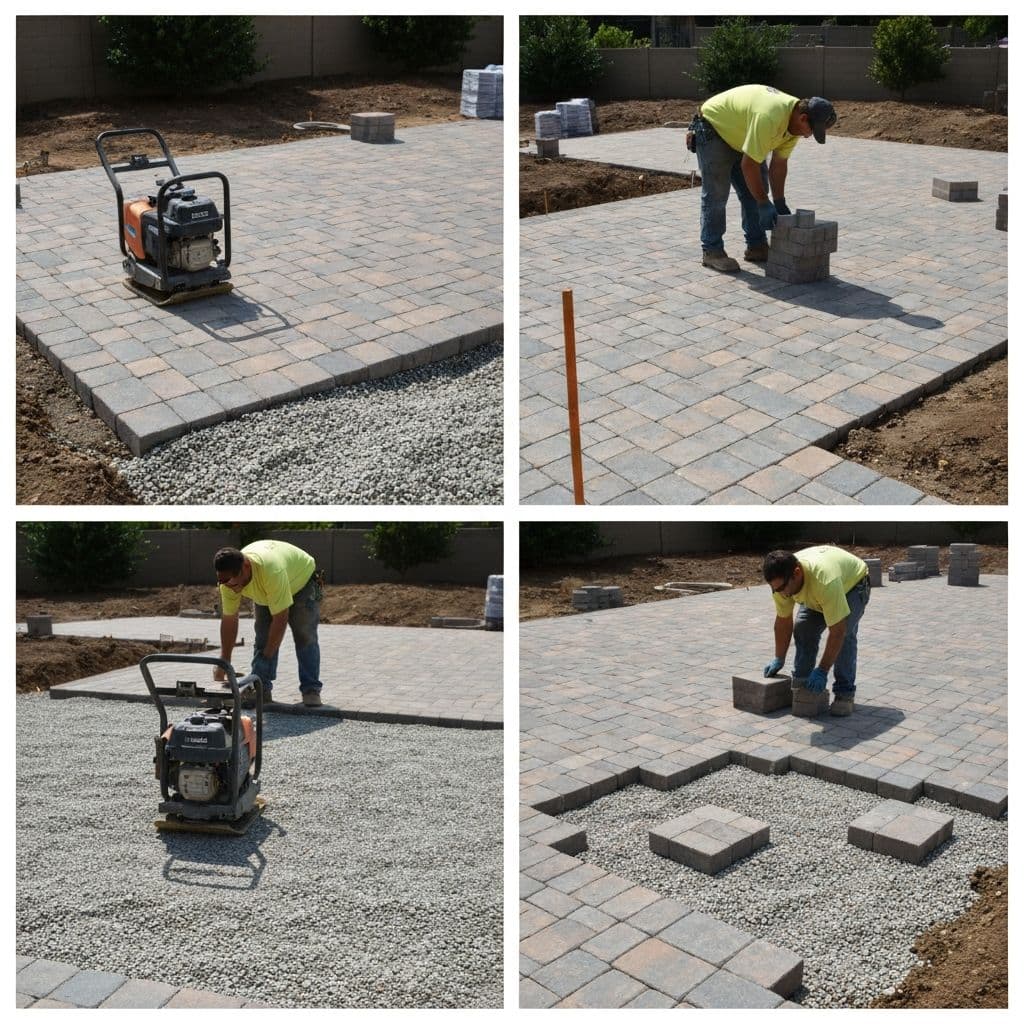
Proper base consists of multiple layers: compacted subgrade (native soil), 4-8 inches of compacted aggregate base, 1 inch of bedding sand, and finally the pavers. Each layer serves a specific purpose.
Subgrade Preparation
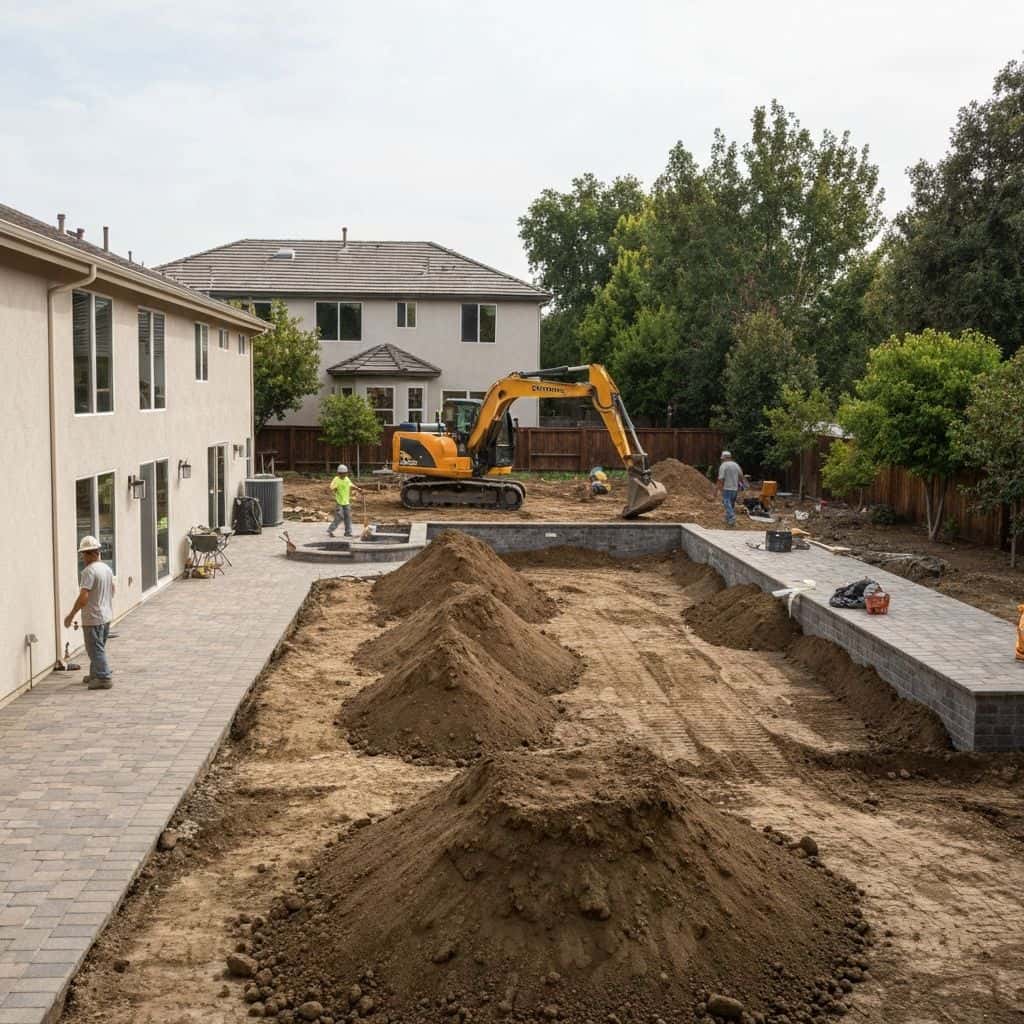
Native soil must be excavated to proper depth (typically 8-12 inches below finished grade) and compacted to 95%+ density. California's expansive clay soils require special attention to prevent heaving.
Aggregate Base Requirements
Class II road base or crushed miscellaneous base provides structural support. It must be installed in 2-3 inch lifts with compaction between each lift. Moisture content during compaction is critical.
What Happens with Poor Base
Inadequate base leads to settling, cracking, and shifting. Pavers separate, trip hazards develop, and water pools improperly. Repairing foundation failures often costs more than the original installation.
Final Thoughts
Base preparation is where experienced contractors earn their premium. Never accept shortcuts on foundation work. It's the single most important factor in hardscape longevity.
Build this at your home
We build from Santa Clarita to Long Beach, Thousand Oaks to Riverside, and Orange County down to Mission Viejo. Start with your city:
Frequently Asked Questions
How deep should paver base be?
For patios: 4-6 inches of base. For driveways: 6-8 inches minimum. More in areas with poor soil or heavy vehicle traffic.
Can I skip the base if my soil is already hard?
No. Even hard clay soil moves with moisture changes. Proper aggregate base provides stability that native soil cannot.
Topics
- hardscape
- construction
- base preparation
- pavers
- quality

About the author
Remodel Your Vibe Design Team
Written by the design team at Remodel Your Vibe, a licensed (CSLB #1119054 (opens the CSLB license record in a new tab)), bonded and insured, veteran-owned and family-operated design-build company based in Los Angeles. Our own crews design, permit and build pools, backyards, ADUs and interiors across Greater Los Angeles and Orange County.
How we work