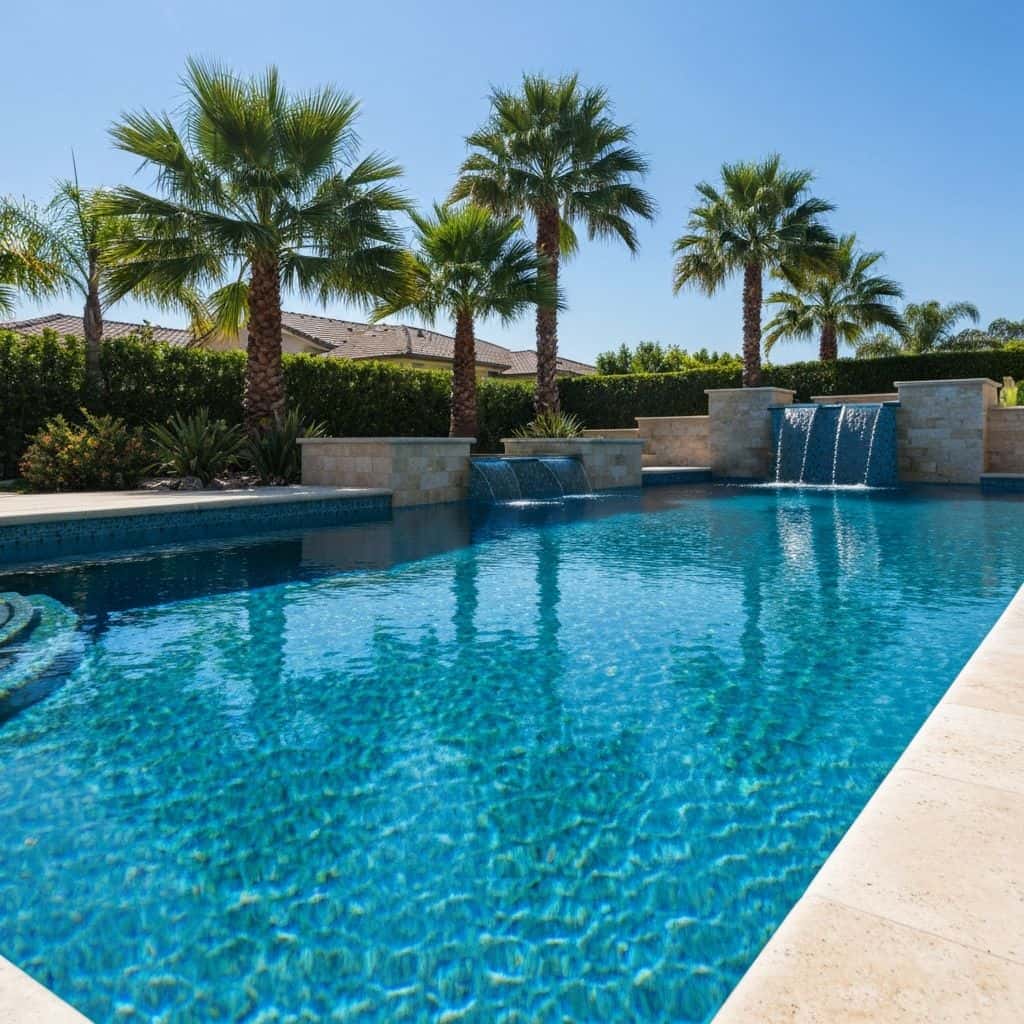
A straight replaster in Pacific Palisades runs $8,000 to $15,000. A mid-range remodel (plaster, waterline tile, coping and equipment) runs $18,000 to $32,000. A full rebuild with new decking, structural repair and automation runs $35,000 to $60,000, and more if the shell needs engineering. Beyond the pool itself, three things set Palisades pricing: hillside access, whether the lot falls under the Baseline Hillside Ordinance, and whether the parcel sits in the Coastal Zone. Here is the line-item breakdown and the permit path through LADBS.
Three price bands, with line items
A typical Palisades pool has 450 to 550 sq ft of interior surface. Against that, the real numbers:
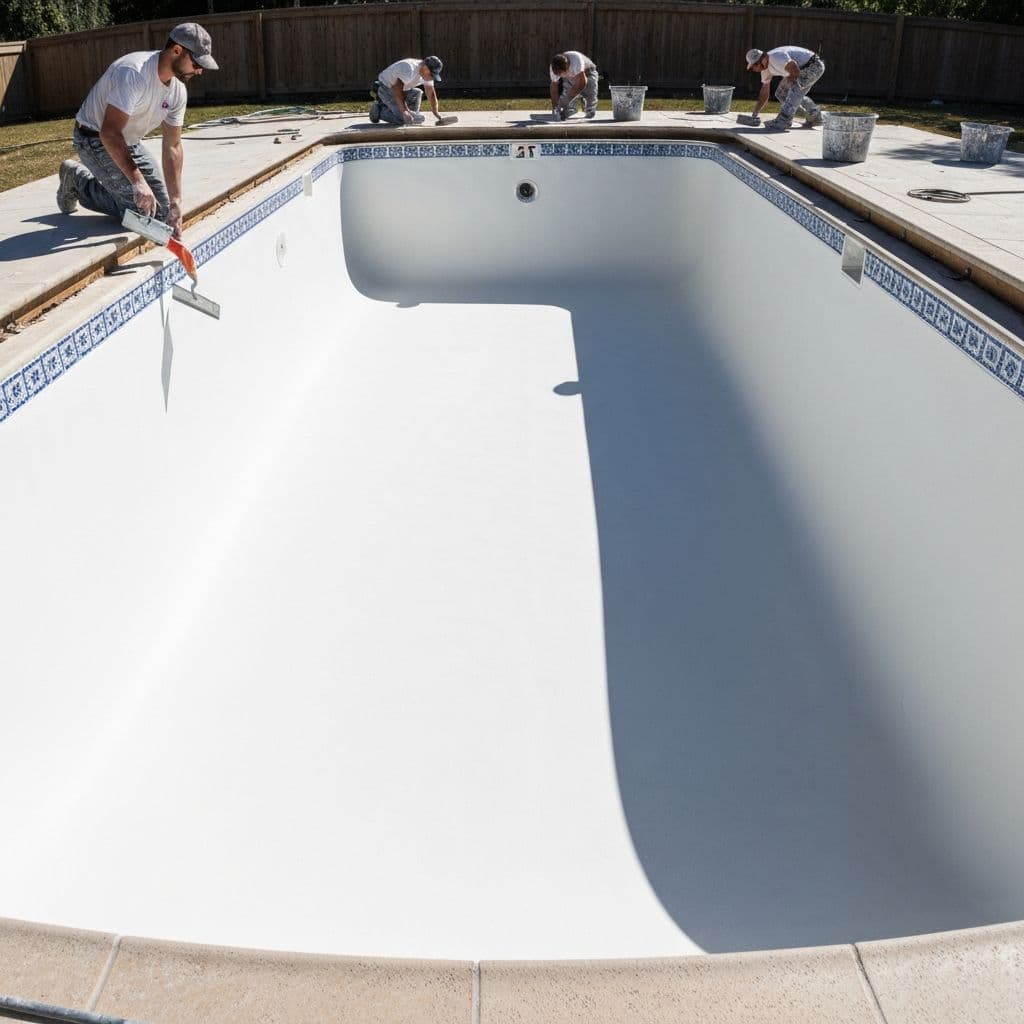
- Standard white plaster, drained and prepped: $8,000-$15,000
- Upgrade to a pebble or quartz aggregate finish: add $3,500-$8,000
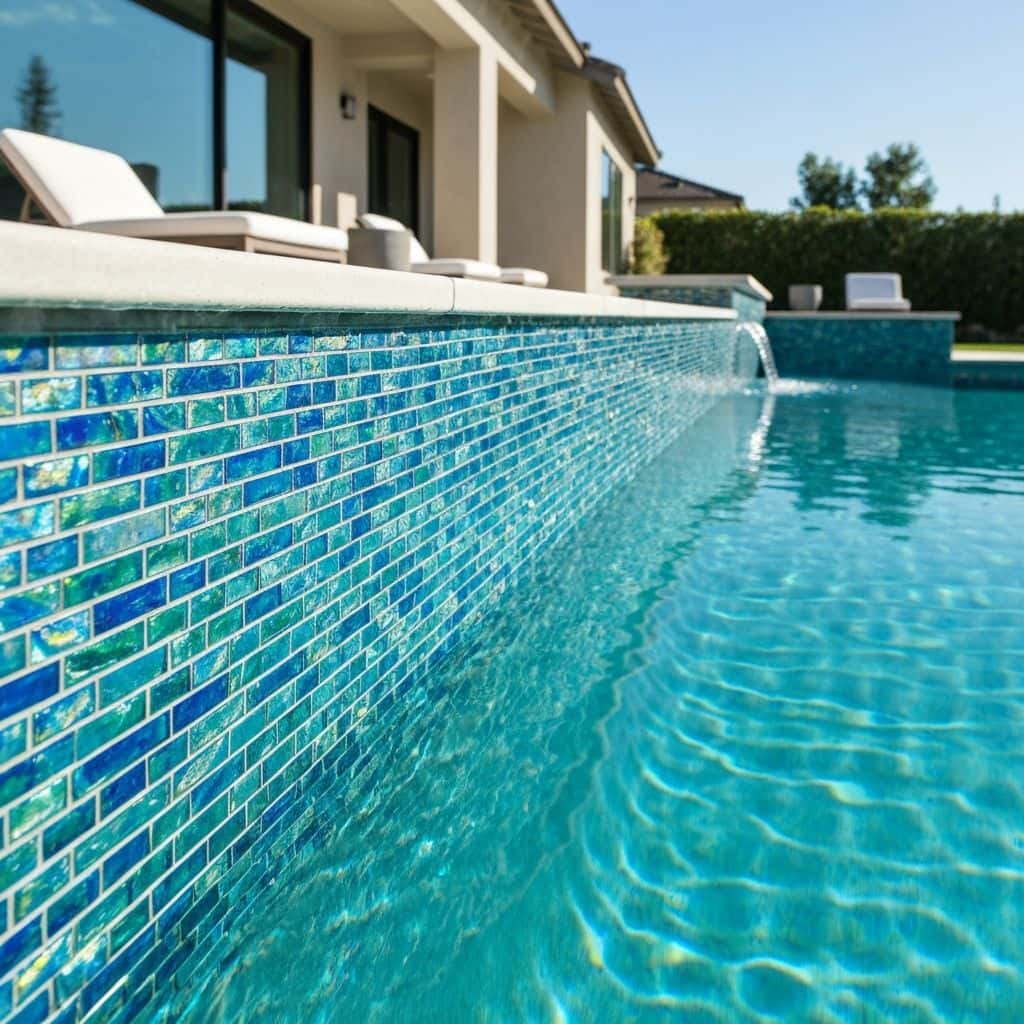
- Waterline tile replacement: $2,500-$6,000
- New coping, precast or cut stone: $3,500-$8,000 (tile and coping together commonly $6,000-$14,000)
- Equipment set (variable-speed pump, cartridge filter, heater, automation): $4,000-$9,000
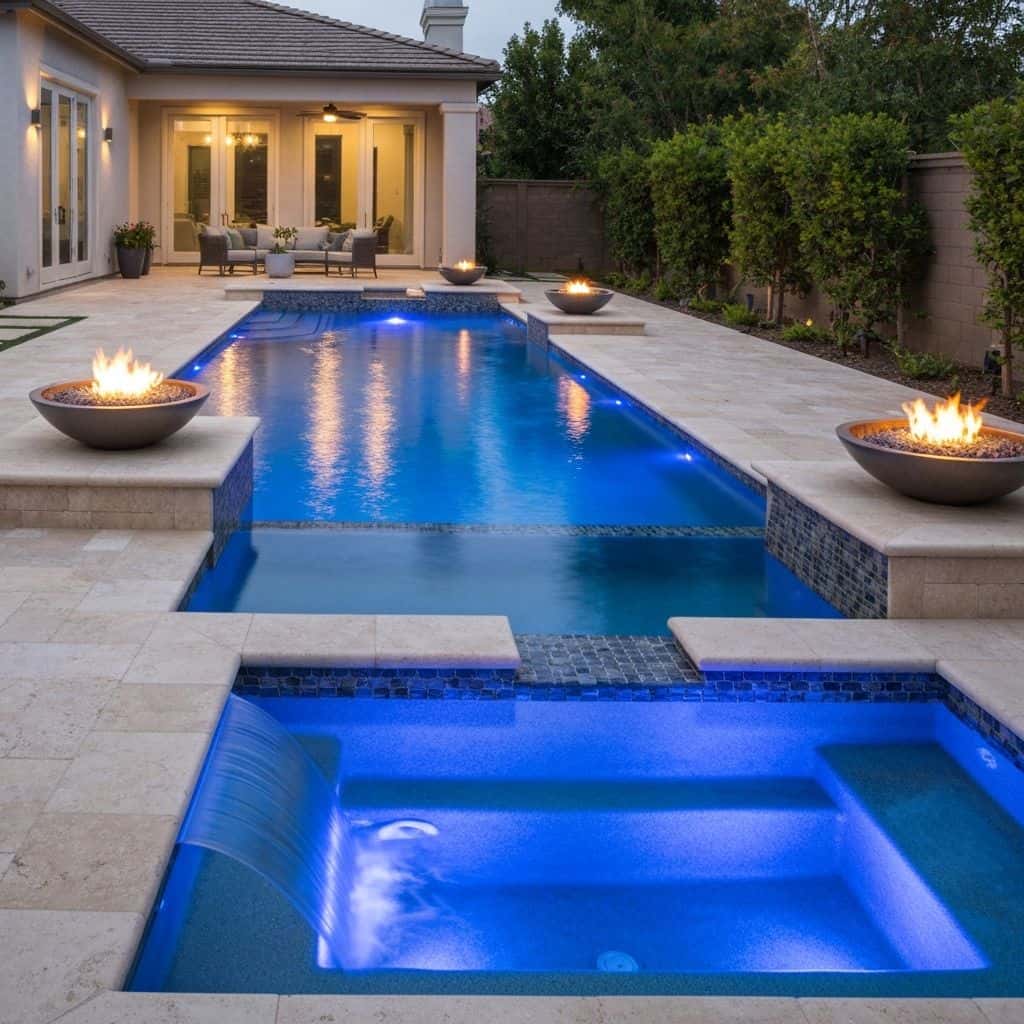
- Colour LED niche light, installed: $900-$2,200 each
- New suction and return plumbing runs: $3,500-$9,000
- 600 sq ft paver deck: $10,800-$19,200 at $18-$32 per sq ft
- Drain, acid wash and start-up service: $600-$1,200
The gap between a $20,000 quote and a $45,000 quote is almost always decking, plumbing and structural repair, not the finish.
The LADBS permit path
A private single-family pool in the City of Los Angeles is permitted through LADBS on a combined Building-Mechanical permit. Separate plumbing plan check applies to commercial and apartment pools, not to a single-family backyard, which is a common source of confusion. Electrical work for the equipment pad and lighting carries its own permit and inspection covering the bonding grid, equipotential bonding around the shell and GFCI protection.
Two rules catch owners out. When a permit is issued for pool construction or remodel at a private single-family home, California's Swimming Pool Safety Act requires at least two of the listed drowning-prevention safety features: for example an enclosure with a self-closing, self-latching gate, an approved safety cover, or exit alarms on doors giving direct access to the pool. Second, Title 24 energy standards mean a replacement circulation pump has to be a variable-speed unit with compliant pipe sizing. A single-speed swap is not a legal replacement.
Ready to Start Your Project?
Schedule a free consultation with our design team.
Hillside lots and the Baseline Hillside Ordinance
Much of the Palisades is hillside. Lots in designated hillside areas fall under the Baseline Hillside Ordinance (Ordinance 184,802), which governs grading quantities, height and how much can be done without discretionary approval. For a remodel that stays inside the existing shell it rarely bites. The moment the scope adds deck expansion, retaining or regrading, it becomes the controlling document and grading quantities have to be counted honestly at design stage.
Access is the other hillside cost. If the gunite pump has to run 150 to 250 ft of hose from the street, or demolition spoil has to be conveyored up to a truck, add 15 to 30 percent to the labour. A crane set over the house for equipment or materials runs $2,500 to $6,000 per day. Narrow frontage also means no dumpster on site and staged, timed deliveries.
Pro Tip
Get the access method priced before you choose finishes. On a steep lot it can move the total more than the plaster upgrade will.
Pools on lots being rebuilt
A pool that sat through the January 2025 Palisades fire needs assessment before anyone quotes a finish. Practically: drain and inspect the shell for heat cracking and delamination, pressure-test every plumbing line, and assume the equipment set is a full replacement. Pumps, heaters, filters and automation boards do not survive that heat, and the sub-panel and bonding usually go with them. Budget $6,000 to $14,000 for equipment, electrical and start-up before any finish work.
Where the house is being rebuilt, the pool belongs in the same construction sequence as the structure, not after it. Running gunite and deck work while heavy equipment still needs the side yard is the most common self-inflicted delay on these sites. Fix the equipment pad location, gas line sizing and sub-panel capacity in the house drawings while they are still in design, and the pool work costs less later.
Coastal Zone and canyon parcels
Part of Pacific Palisades sits inside the California Coastal Zone. If your parcel does, a coastal permit is required in addition to the building permit, and the issuing authority depends on whether a certified Local Coastal Program covers the area. Where none applies, the California Coastal Commission issues it directly. Confirm the parcel's status before design rather than after, because it changes both the drawing set and the review path.
Canyon parcels bring their own list. A geotechnical report costs $3,500 to $8,000 and is needed wherever new retaining or deck load is proposed. Where groundwater or seepage is present, hydrostatic relief detailing matters and the pool should never be fully drained without a plan. Drainage has to be engineered, not assumed: area drains, solid-pipe collection and a legal point of discharge typically add $4,000 to $11,000.
The order to do the work in
Sequence a full remodel this way: drain and demolition, structural repair and plumbing re-routes, tile and coping, decking, then interior finish last. Finish goes in at the end because deck grinding, mortar and dust ruin fresh plaster.
Construction for a typical mid-range remodel is 3 to 6 weeks, longer where the deck is replaced or the shell needs engineering. Plaster start-up is not a detail. The first month of brushing and water chemistry decides whether the finish mottles or stays even.
Where not to save: the equipment set, the bonding grid and the tile setting bed. All three are expensive to revisit. Where you can save: keep the existing shell shape, reuse sound coping, and choose a well-installed standard plaster over pebble if the pool sees moderate use.
Final Thoughts
Most Palisades pool budgets go wrong in the same place. The scope creeps from finish work into decking, plumbing and structure once the pool is drained. Get the shell inspected and the access method priced before you sign anything. Then the difference between an $18,000 job and a $45,000 job is a decision you made, not a surprise you were handed.
Frequently Asked Questions
A private single-family pool is permitted through LADBS on a combined Building-Mechanical permit, with a separate electrical permit for the equipment pad, bonding and lighting. Separate plumbing plan check applies to commercial and apartment pools, not single-family backyards. Coastal and hillside parcels may need additional review before the building permit is issued.
Standard white plaster on a typical 450 to 550 sq ft interior runs $8,000 to $15,000, including drain, chip-out where needed, prep, plaster, acid wash and start-up. A pebble or quartz aggregate finish adds $3,500 to $8,000. Steep access, where material must be pumped or carried, pushes the figure toward the top of the range.
Yes. When a permit is issued for pool construction or remodel at a private single-family home, California's Swimming Pool Safety Act requires at least two of the listed drowning-prevention features. Common choices are an enclosure with a self-closing, self-latching gate plus door alarms or an approved safety cover. Decide early, since fencing affects the deck layout.
Not as a replacement. Title 24 energy standards require replacement circulation pumps to be variable-speed with compliant pipe sizing and controls. In practice this is a benefit rather than a burden: a variable-speed pump run at low RPM for longer cycles usually cuts pool electricity use substantially against a single-speed unit.
Usually the shell is, and the equipment is not. Drain and inspect for heat cracking and delamination, then pressure-test the plumbing. Assume pumps, heaters, filters, automation boards and often the sub-panel are replacements. Budget $6,000 to $14,000 for that package alone, before tile, coping or interior finish.