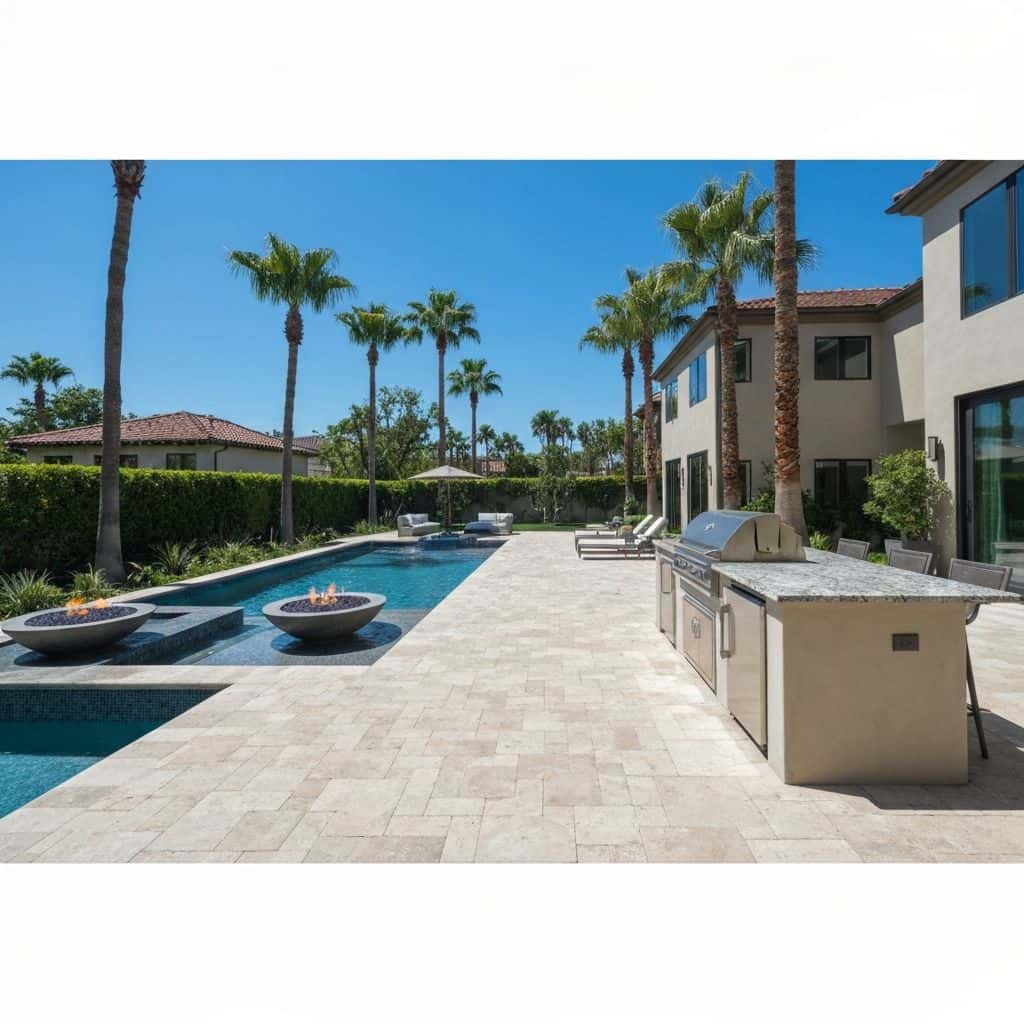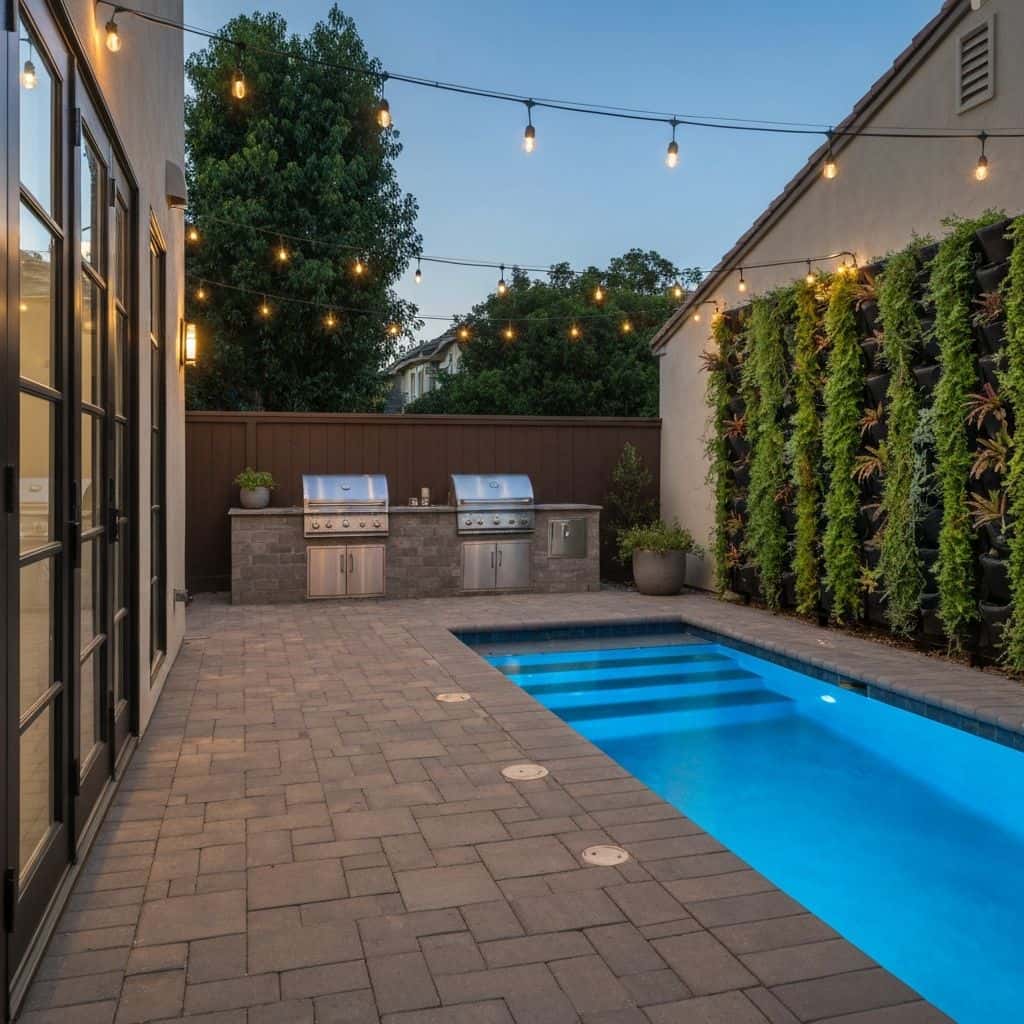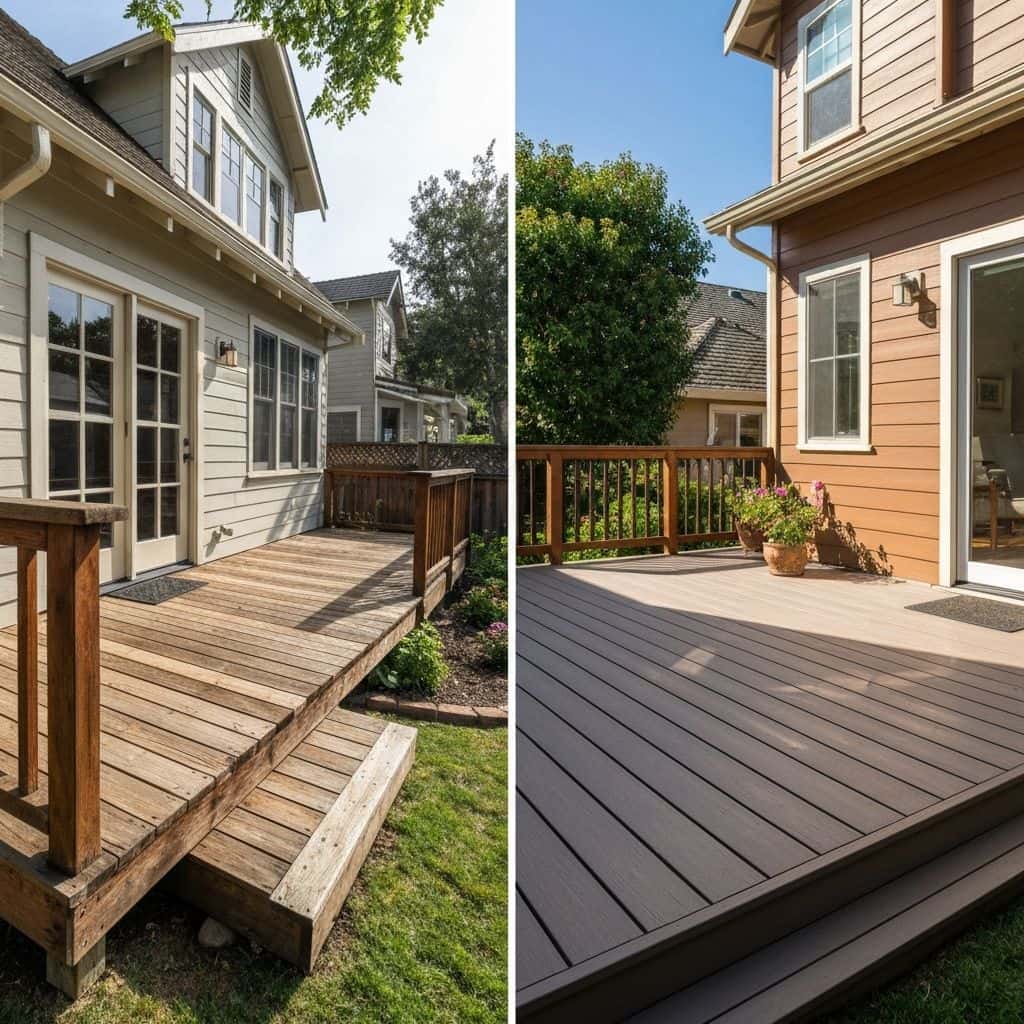
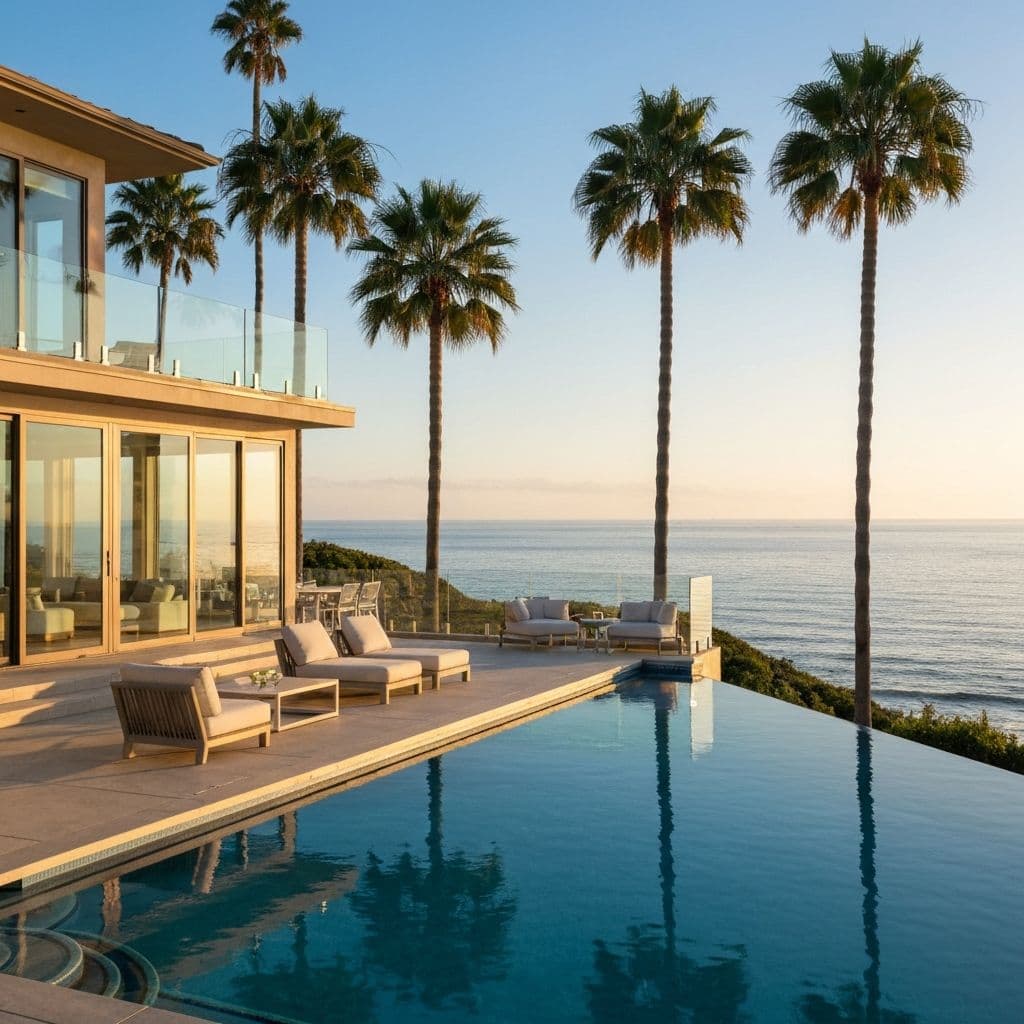
A full backyard remodel in Malibu typically lands between $90,000 and $300,000. The construction itself is not what makes it dearer than the same job in Woodland Hills. Coastal permitting, salt-rated metals, wind engineering on shade structures and awkward site access add roughly 15 to 30 percent on top of an equivalent inland scope. Below is how that money splits across hardscape, structures, pool work and soft costs, plus the material specifications that actually hold up between Point Dume and Trancas. Figures are 2026 Southern California pricing for a permitted, engineered build.
What a Malibu backyard actually costs
Three bands cover most of what gets built here. A focused refresh (new paving, planting, lighting and a fire feature) runs $60,000 to $110,000. A full rear-yard rebuild with a shade structure and outdoor kitchen lands between $120,000 and $220,000. Add a new pool and spa and the total moves past $300,000.
Real line items behind those numbers:
- 800 sq ft porcelain paver terrace: $19,000-$26,000 (about $24-$32 per sq ft installed)
- 400 sq ft artificial turf: $4,800-$8,000
- 16 ft x 20 ft powder-coated louvered aluminium roof: $22,000-$38,000
- Outdoor kitchen with 316 stainless doors and porcelain counters: $18,000-$45,000
- Gas fire pit: $4,500-$12,000
- Landscape lighting, 18 to 24 fixtures: $5,000-$12,000
- Area drains and a piped discharge system: $4,000-$11,000
Survey, design, structural and drainage engineering and permit processing typically add another 8 to 12 percent.
Pro Tip
Price the drainage and the retaining before the finishes. That is the part that cannot be value-engineered later.
The Coastal Development Permit
Almost every private parcel in Malibu sits inside the Coastal Zone, so a Coastal Development Permit sits in front of the building permit. The City administers it under its certified Local Coastal Program, and certain decisions remain appealable to the California Coastal Commission.
What triggers review is broader than owners expect: new structures and their height, added impervious surface, grading quantities, work near a bluff edge, and anything within or adjacent to Environmentally Sensitive Habitat Area. A wide paved terrace can trigger review on impervious area alone.
Budget for the supporting reports rather than the application fee. A biological assessment, an arborist report, a stormwater and low-impact-development plan and an updated survey commonly total $6,000 to $20,000 together. Most of Malibu is on onsite wastewater treatment systems rather than sewer, so paving or structures near a dispersal field pull Environmental Health into the review as well. Sequence the design so coastal review starts first.
Ready to Start Your Project?
Schedule a free consultation with our design team.
Materials that survive salt air
Salt spray is the biggest single driver of early failure in coastal backyards. Within about a mile of the water, 304 stainless steel streaks and pits within a couple of seasons. Specify 316 stainless for outdoor kitchen doors, drawer slides, fasteners and railing hardware. The upcharge is usually 20 to 30 percent and it is the cheapest insurance in the job.
For structures, marine-grade powder-coated aluminium beats painted steel. Ask for a proper pretreatment and a two-coat powder system, and keep matching touch-up aerosol on site.
For paving, 20 mm through-body porcelain outperforms travertine and limestone. Salt crystallising inside natural stone causes spalling and pitting near the shoreline; porcelain does not absorb it. Material runs about $9-$14 per sq ft in 24 x 48 in formats.
Landscape lighting should be solid brass or copper, not painted aluminium. Pool and irrigation equipment belongs in a ventilated enclosure with a hose bib for freshwater rinsing.
Pro Tip
Rinse metal hardware and light fixtures with fresh water monthly. It roughly doubles service life within sight of the water.
Wind changes the shade structure
Exposed Malibu parcels (oceanfront, ridge line, canyon mouth) are designed against a far higher wind exposure than the sheltered suburban condition used inland. That changes footing depth, post sizes and connection hardware on anything that catches air.
The practical consequence: a freestanding 16 x 20 louvered aluminium roof that would take 18 in deep piers in Encino often needs 24 to 30 in deep piers and heavier baseplates on a coastal lot. Stamped structural calculations and details add $1,500 to $4,500.
Cantilevered market umbrellas are not worth buying here; they fail in the first hard afternoon. Retractable fabric shade works only when specified with a wind sensor that retracts it automatically. Glass windbreak panels (half-inch tempered glass in stainless spigots) run $180 to $350 per lineal foot and make a terrace usable when the onshore breeze builds after midday. Slatted or glass screens beat solid walls, which create turbulence downwind.
Access, soils and haul-off
Site access sets the labour number. Many Malibu properties come off Pacific Coast Highway with no room to stage, no shoulder to park and a long carry to the work area. Work inside the highway right of way needs a Caltrans encroachment permit, and material has to arrive on a schedule rather than sit on site. Expect a 10 to 25 percent labour premium against the same scope on a flat Valley lot.
Hillside and bluff parcels need a geotechnical soils report ($3,500 to $8,000) before any retaining or pool structure is designed. Retaining walls price per face foot: $60 to $150 depending on height, material and whether the engineer calls for a surcharge design or deepened footings.
Soil export becomes a real line item once trucks have to run PCH: $25 to $45 per cubic yard loaded and hauled. A modest pool excavation produces 120 to 180 cubic yards of spoil.
Schedule and how payments should be structured
Run the work in this order: survey and geotechnical, design and 3D, structural and drainage engineering, coastal review, building permit, then construction. Trying to shorten the front end is what actually delays coastal projects.
Construction for a mid-size Malibu backyard without a pool is roughly 10 to 16 weeks. Add a new pool and plan on 16 to 26 weeks overall, since gunite cure, plaster start-up and deck work all sit on the critical path.
On payments, California limits the down payment on a home improvement contract to $1,000 or 10 percent of the contract price, whichever is less. Everything after that should attach to completed milestones: excavation, steel and inspection, structure erected, paving set, finishes and start-up. A contractor asking for a large deposit to hold a date has a licensing problem, not a scheduling one. Check the licence number on the CSLB website before signing anything.
Final Thoughts
Malibu is not expensive because coastal work is exotic. It costs more because the permit path is longer, the metals have to be better, the structures have to be engineered for real wind and every delivery is a harder day. Budget the soft costs honestly, specify 316 stainless and porcelain from the start, and the yard will still look right in ten years.
Frequently Asked Questions
Often, yes. Added impervious surface, new structures, grading quantities and work near a bluff or sensitive habitat can all trigger coastal review, even without a new building. The City administers the permit under its certified Local Coastal Program. Confirm your parcel's status at design stage, because it changes the drawing set you need to produce.
Plan on 15 to 30 percent above an equivalent inland scope. Roughly half of that is soft cost: coastal review, biology and arborist reports, survey, engineering. The rest is labour lost to constrained access and staging, plus the price of 316 stainless, marine-grade aluminium and porcelain instead of standard materials.
Near the shoreline, yes. Travertine and limestone are porous, and salt crystallising inside the stone causes pitting and surface spalling within a few years. Through-body porcelain at 20 mm gives the same look without absorption, costs about $9 to $14 per sq ft in material, and needs no sealing programme.
Construction runs about 10 to 16 weeks for a mid-size yard without a pool, and 16 to 26 weeks with one. The design, engineering and coastal review that precede it are the variable part. Sequence coastal review first and avoid committing to a fixed completion date until the permit is issued.