As California cities address stormwater management, permeable pavers have become increasingly important. They combine environmental benefits with practical functionality.
How Permeable Pavers Work
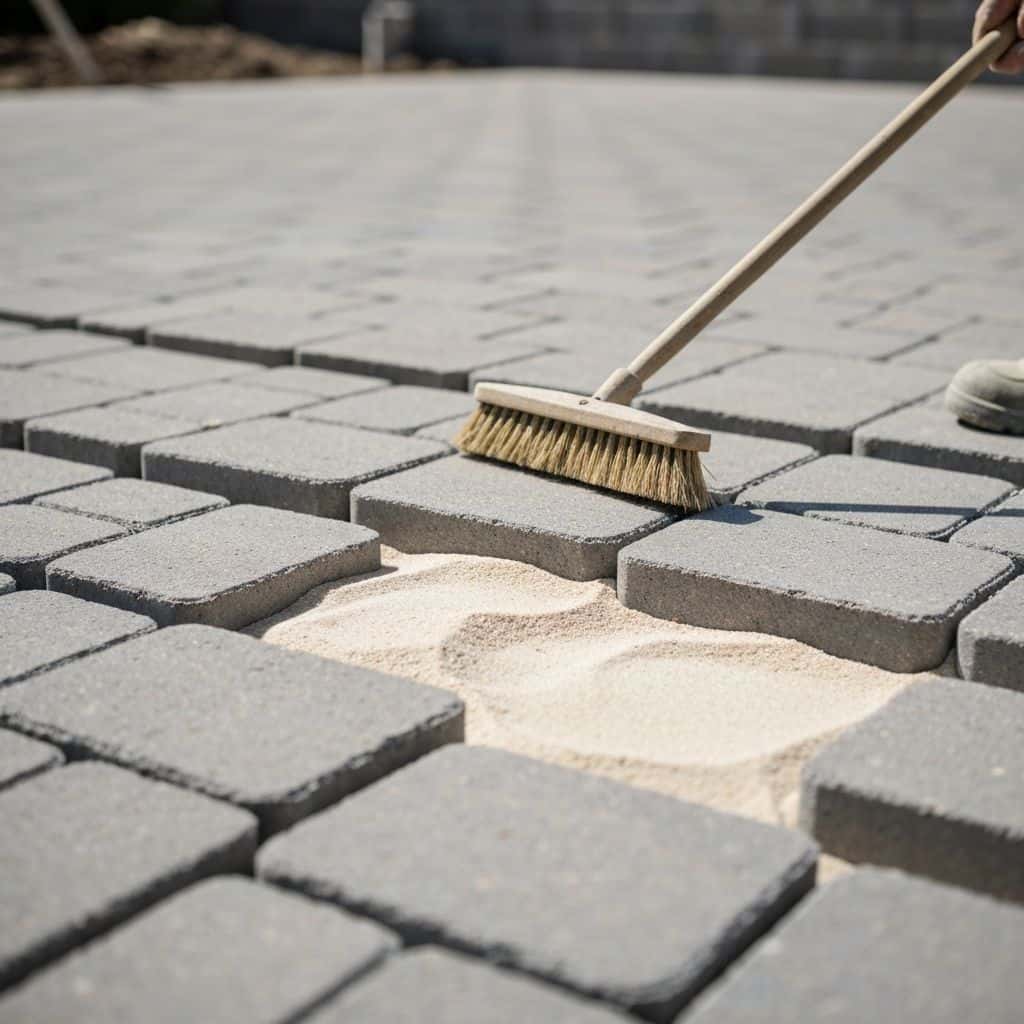
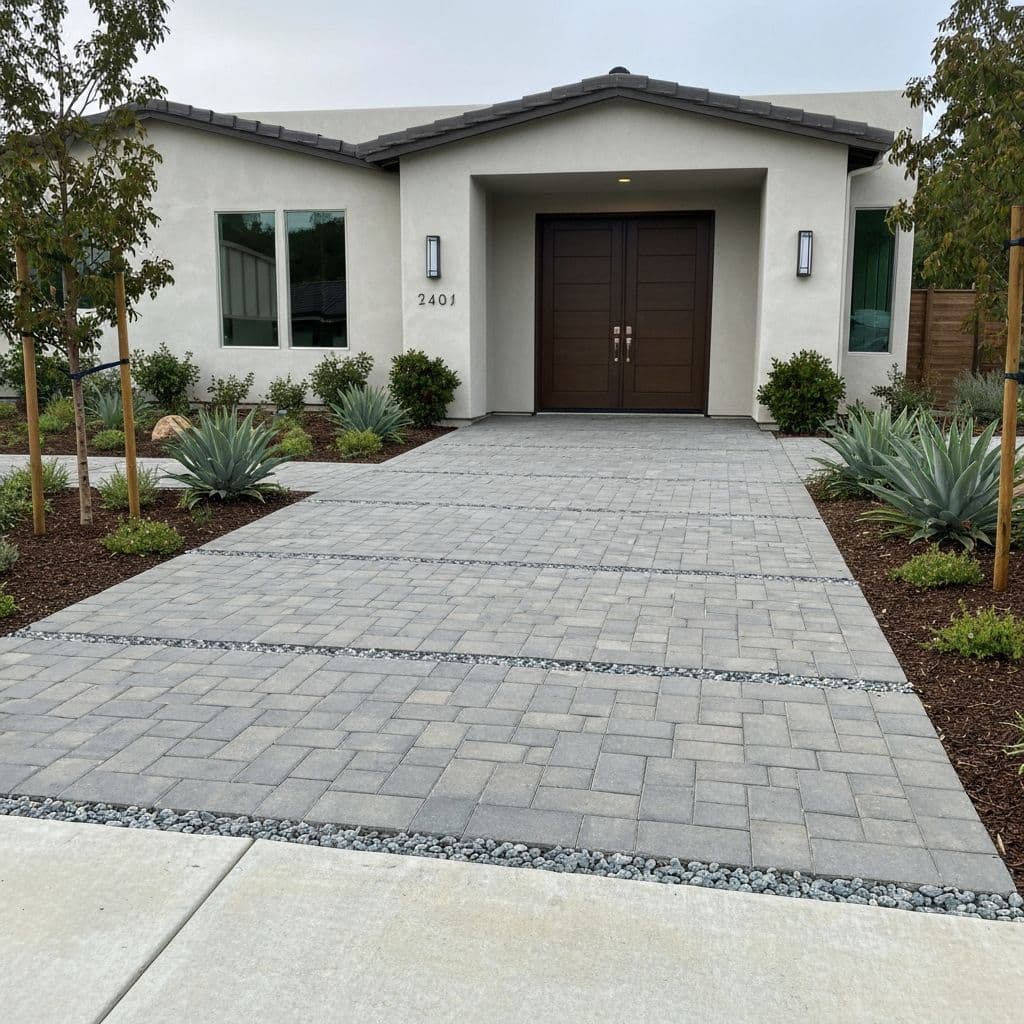
Permeable pavers feature wider joints filled with aggregate that allow water to pass through. Water infiltrates into a gravel base below, then slowly percolates into the soil.
Where They're Required
Many California cities require permeable surfaces for new driveways and large hardscape areas. Even where not required, they help manage stormwater and recharge groundwater.
Design & Aesthetic Options
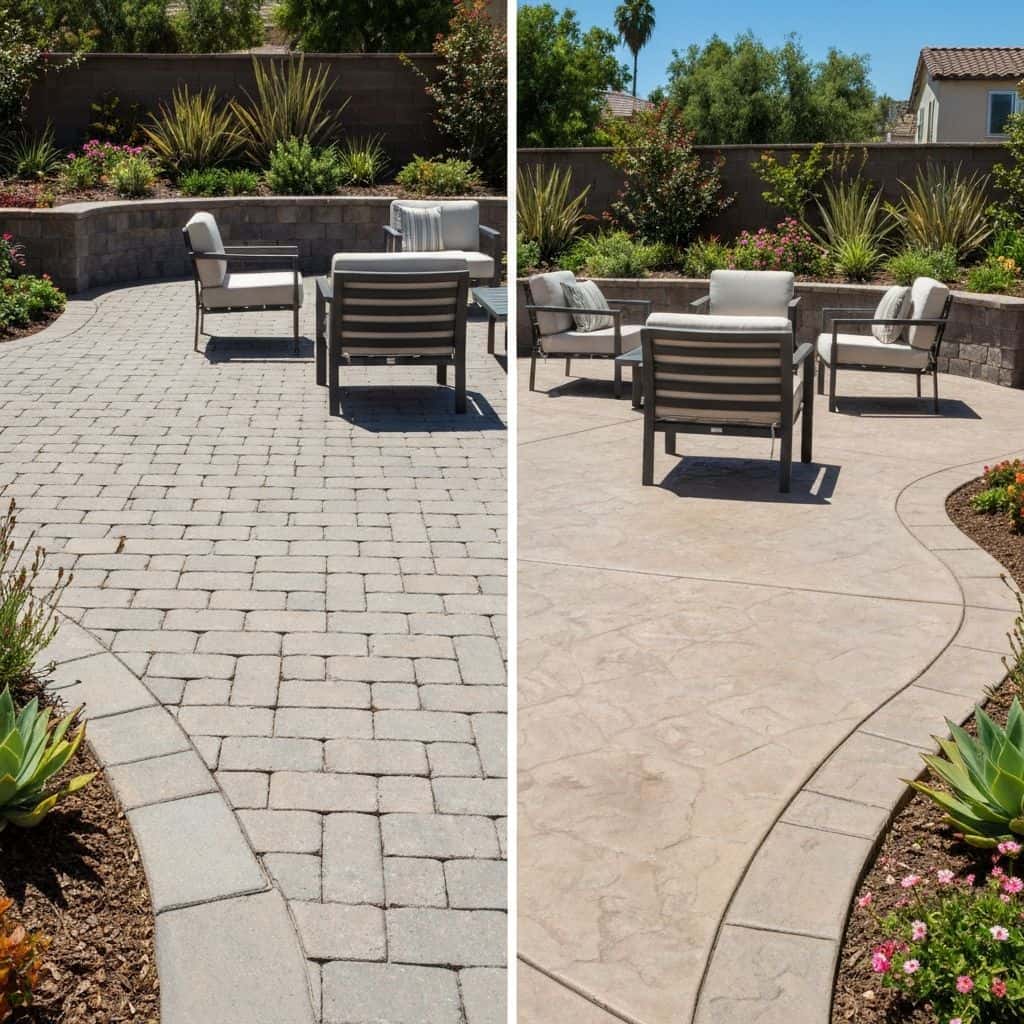
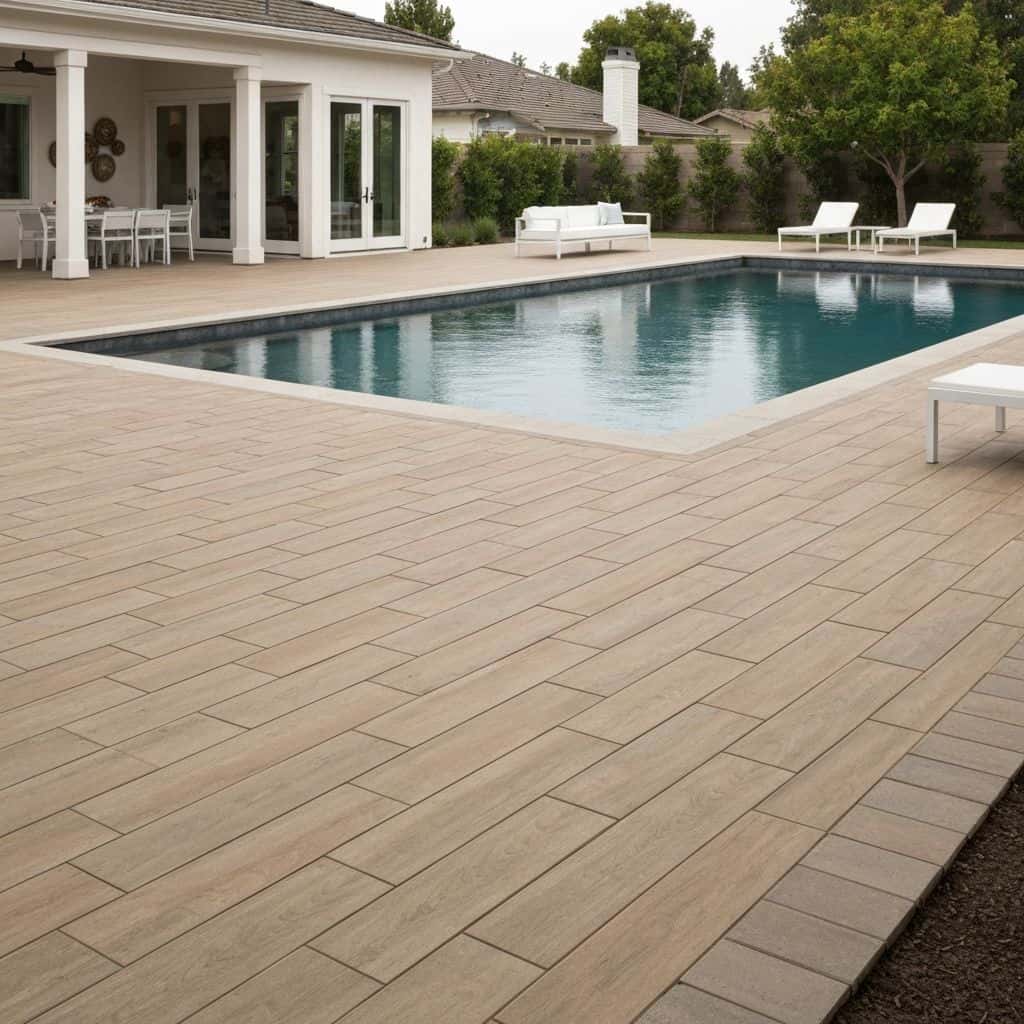
Modern permeable pavers come in styles matching traditional pavers. Some use permeable joints with standard pavers. Others feature grass-grow-through designs for green driveways.
Maintenance Requirements
Permeable systems require occasional vacuuming or cleaning to maintain infiltration rates. Avoid sand and fine debris that can clog the system. Annual professional maintenance is recommended.
Final Thoughts
Permeable pavers meet environmental requirements while delivering beautiful, durable surfaces. They're increasingly the standard for California hardscape.
Build this at your home
We build from Santa Clarita to Long Beach, Thousand Oaks to Riverside, and Orange County down to Mission Viejo. Start with your city:
Frequently Asked Questions
Are permeable pavers more expensive?
Permeable systems cost 15-30% more than traditional pavers due to specialized base preparation, but may be required by code.
Can cars drive on permeable pavers?
Yes. Properly installed permeable systems handle vehicle traffic. They're commonly used for driveways and parking areas.
Topics
- permeable pavers
- drainage
- eco-friendly
- stormwater
- driveway

About the author
Remodel Your Vibe Design Team
Written by the design team at Remodel Your Vibe, a licensed (CSLB #1119054 (opens the CSLB license record in a new tab)), bonded and insured, veteran-owned and family-operated design-build company based in Los Angeles. Our own crews design, permit and build pools, backyards, ADUs and interiors across Greater Los Angeles and Orange County.
How we work