
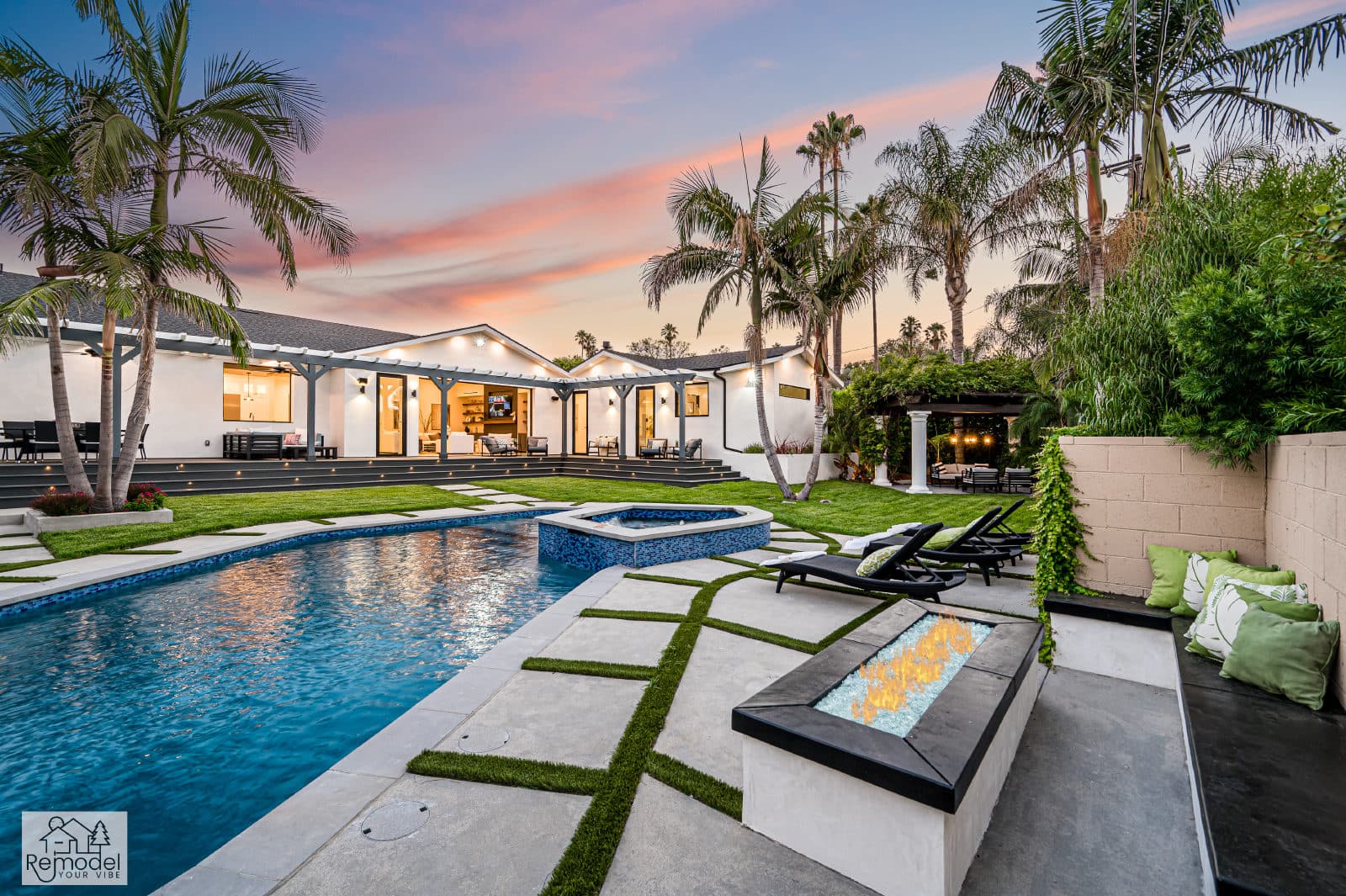
Luxury Remodeling in Topanga
Design-build pools, outdoor living and ADUs planned around Topanga's coastal, septic and wildfire rules.
Building in Topanga
Canyon pools, terraces and guest houses in Topanga.
Topanga is a canyon rather than a town. Its homes gather in a handful of rural villages strung along Topanga Canyon Boulevard and Old Topanga Canyon Road, both mapped as scenic routes, and thin out across the hillsides in between. Most of the canyon sits inside the Santa Monica Mountains Coastal Zone, and nearly all of it is rated a Very High Fire Hazard Severity Zone. A pool, terrace or guest house here is shaped by habitat mapping, septic layout and the rainy-season grading calendar before it is shaped by style, and settling those three early is what keeps a Topanga project moving.
Two patterns: the rural villages of Fernwood, Old Topanga, Topanga Oaks, Topanga Woods and the Old Post Office Tract, which the coastal program defines as antiquated mountain subdivisions, many created in the 1920s and often lacking infrastructure built to current standards, and scattered hillside parcels on the slopes between them. In the villages, new development must be sited to avoid oak woodland, and where removal cannot be avoided it may not exceed 10 percent of the oak woodland on the property. Where new residential development is approved in H2 or H3 habitat, the building site, counting graded slopes, structures, decks, patios and other hard surfaces, is capped at 10,000 square feet or 25 percent of the parcel, whichever is less.
One team designs, permits and builds every project, and our own crews self-perform the work, so the people who plan your Topanga project are the people on site building it.
Part of our service area in Los Angeles County.
Local Conditions
What building in Topanga involves
Permits in Topanga
Los Angeles County Department of Public Works, Building and Safety Division
Topanga is unincorporated, so building permits come from the County Public Works Building and Safety Division. Most of the canyon lies in the Santa Monica Mountains Coastal Zone, where Regional Planning issues coastal development permits under the certified Local Implementation Program; parcels at the northern end fall outside it, in the Santa Monica Mountains North Area. Improvements to an existing, lawfully established home, pools included, can be exempt from a coastal permit, but not in H1 or H2 habitat, in an area designated as highly scenic, or where a septic system is added or expanded. Grading of 50 to 5,000 cubic yards needs a minor coastal permit, and grading is prohibited from October 15 through April 15 except in limited cases. The program allows only one accessory dwelling unit or guest house per property, at no more than 750 square feet, on a septic system separate from the main house and outside H1 habitat, its buffer and the Quiet Zone, and each one must retire a transfer of development credit.
Permit details checked September 2026 against LA County Planning and LA County. Rules change, so we confirm them again for your parcel.
What we plan for here
- Coastal development permit and habitat review
- Grading scheduled outside the October 15 to April 15 rainy season
- Septic siting with stream and native tree setbacks
- Transfer of development credit for ADUs and guest houses
- Scenic route frontage and rooftop equipment limits
CAL FIRE's State Responsibility Area map places nearly all of Topanga in a Very High Fire Hazard Severity Zone, and the coastal program asks new construction there for fire-resistant exterior materials, windows and roofing, with eaves and vents that resist flame and embers; County Fire fuel modification can also reach beyond the approved building site.
State seismic hazard maps, carried into the County's coastal program maps, place much of the canyon in earthquake-induced landslide zones, and in these mapped hazard areas a site-specific geologic, soils or geotechnical report is required before a coastal permit application is filed, so investigation comes ahead of pool, retaining wall and foundation design.
New septic leachfields must sit at least 100 feet from any stream and seepage pits at least 150 feet, and both must stay at least 50 feet outside the dripline of native oaks, sycamores, walnuts and bays, which constrains where a pool, terrace or guest house can fit on a lot.
Pools reviewed under the coastal program must use alternative sanitization, such as low- or no-chlorine systems, may not drain chlorinated water to a street, storm drain, creek or canyon, and within the program's hazard areas, which include Very High Fire Hazard Severity Zones, need double-wall construction with drains and leak detection.
Neighborhoods we work in
- Fernwood
- Old Topanga
- Topanga Oaks
- Topanga Woods
- Old Post Office Tract
Topanga Services
Everything we build in Topanga
Each page covers permits, costs and the build process for that work in Topanga.
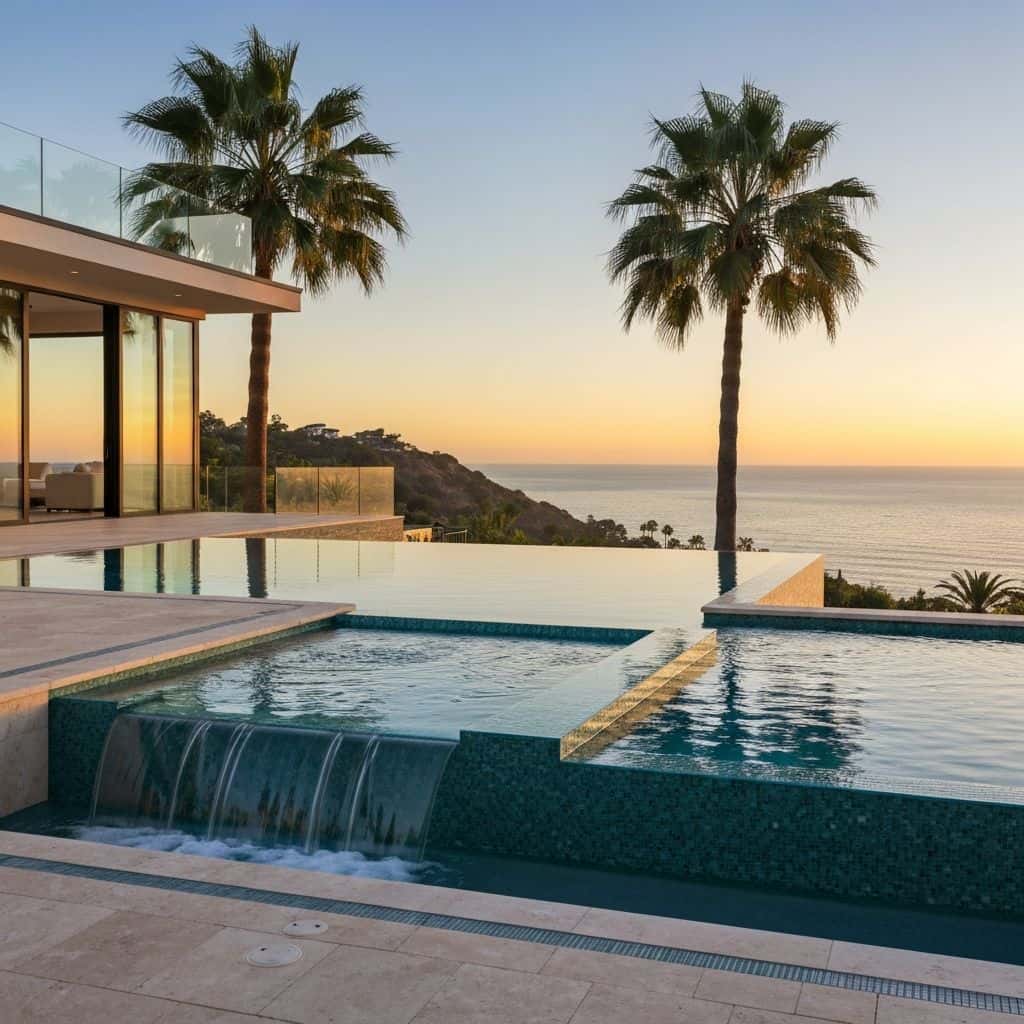
Pool & Spa Remodeling in Topanga
We design and build pools and spas with our own crews, start to finish.
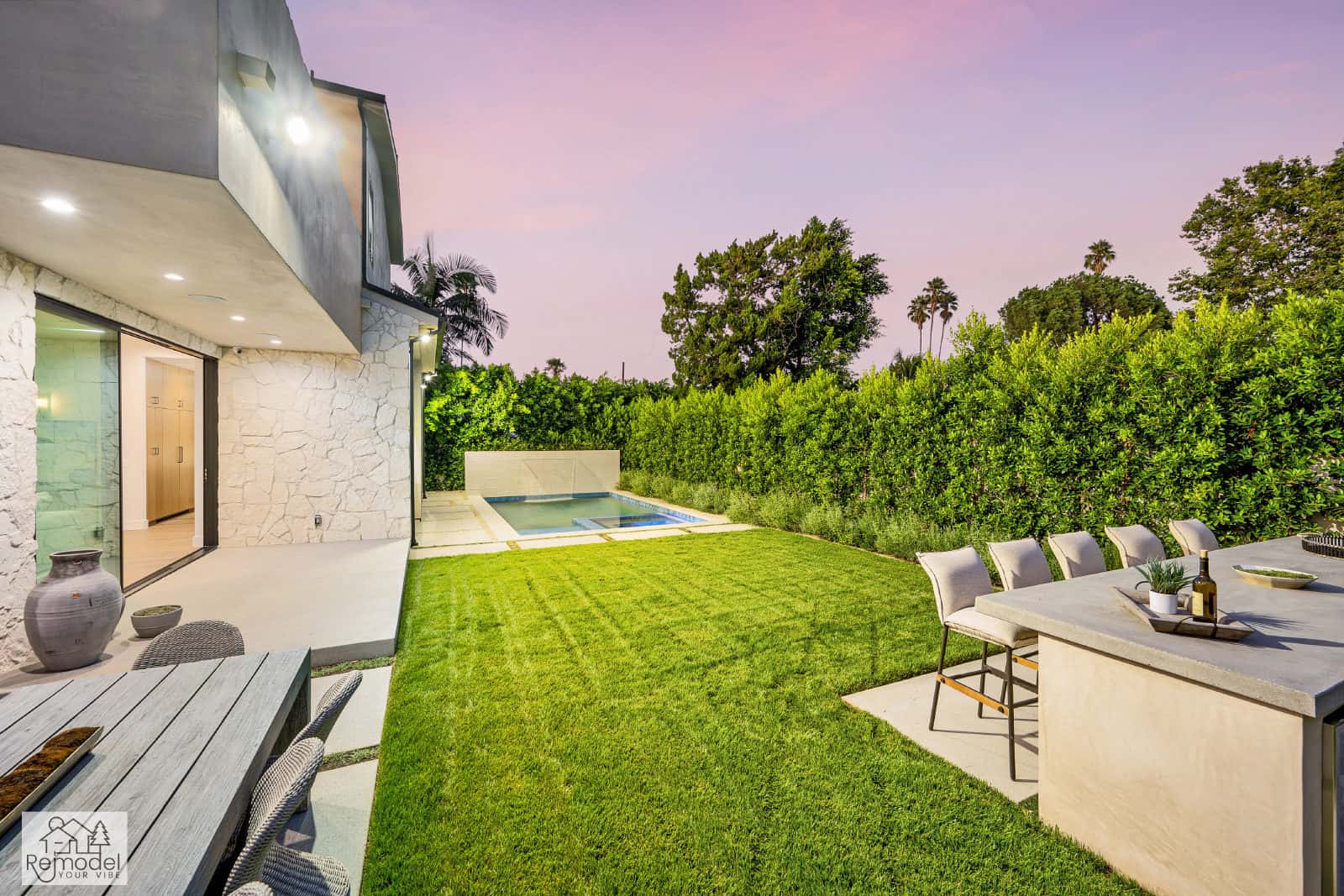
Backyard & Outdoor Living in Topanga
Outdoor living, hardscape, and curb appeal, designed and built to outlast the SoCal sun.
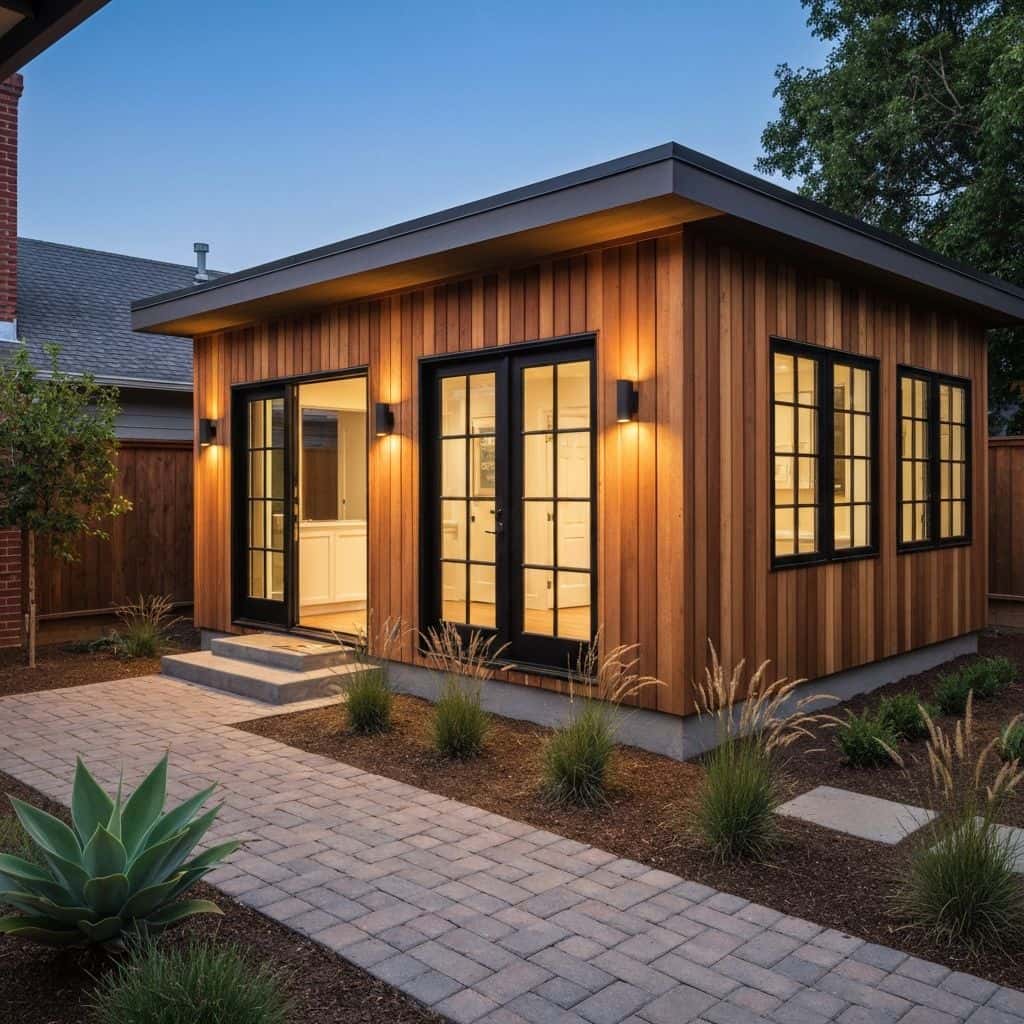
ADUs & Additions in Topanga
We design, permit, and build ADUs and additions that actually add value.
Also available in Topanga
Topanga Guides
Remodeling guides for Topanga
Local planning notes, costs and design direction for Topanga homeowners.
Whole-Home Remodel Sequencing: What to Do First
A whole-home remodel done in the wrong order costs 15 to 25 percent more. Here is the correct sequence, from structural and roof through to paint, and why each stage has to precede the next.
Read guideIndoor-Outdoor Living Conversions in Southern California
A 16-foot multi-slide door runs $18,000 to $45,000 installed. Here is how the full indoor-outdoor conversion works, from structural header to flush threshold to covered patio tie-in.
Read guideTarzana Outdoor Living: A Builder's Guide to South of the Boulevard Lots
Tarzana backyards run hot and deep. A working outdoor living build here (shade, hardscape, kitchen, lighting) typically lands between $85,000 and $220,000, and the ground drives most of the number.
Read guidePorter Ranch Backyard Transformation: Wind, Slope and What It Costs
A full backyard transformation in Porter Ranch runs $95,000 to $280,000. Wind exposure, slope, HOA review and fire-zone material rules shape the design before anything about style enters the conversation.
Read guideNearby service areas
All areasStart Your Project
Now booking design consultations in Topanga.
Tell us about your home and what you want from it. We call you back within one business day.
Licensed, bonded and insured · CSLB #1119054 · Veteran-owned and family-operated