
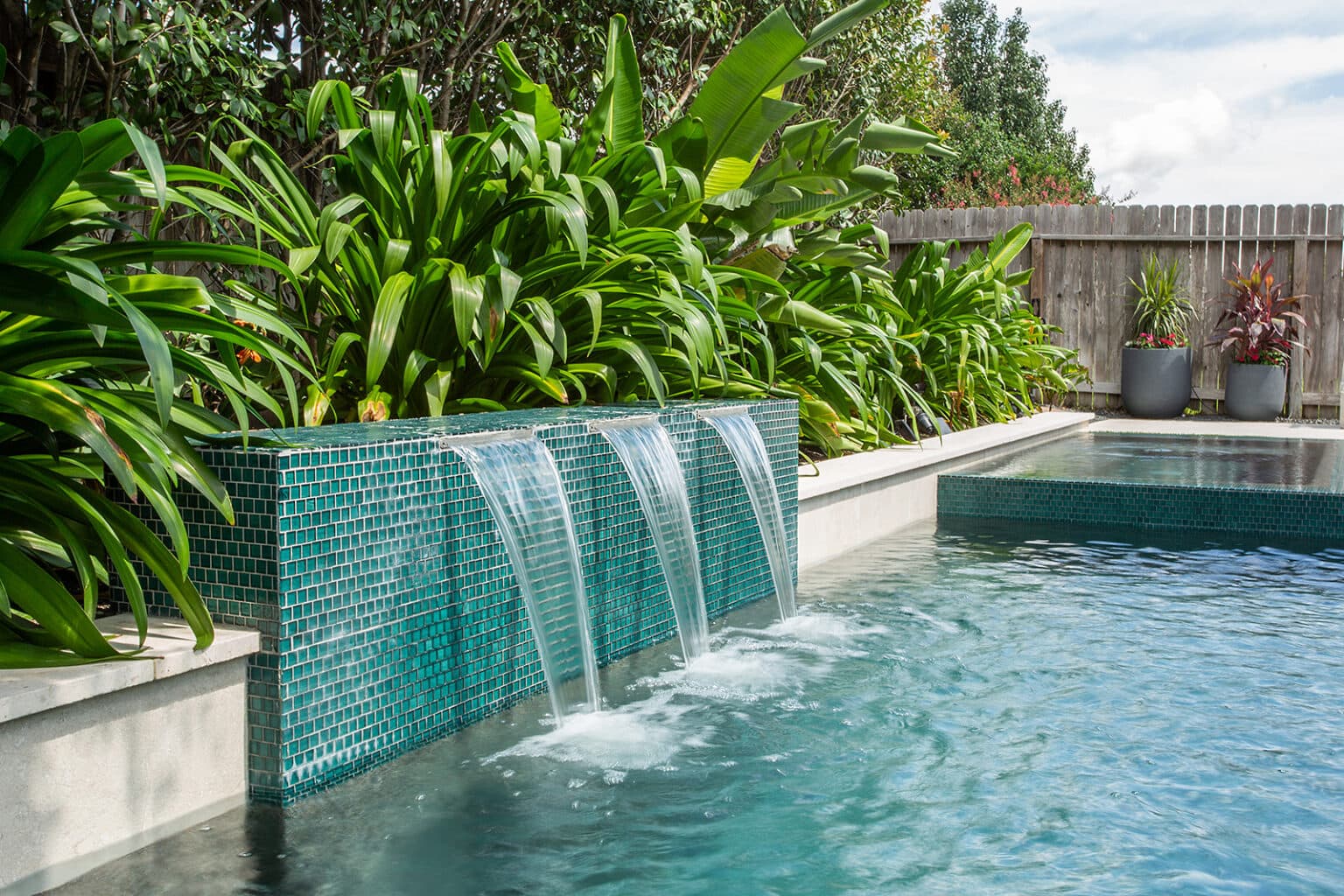
Pool & Spa Remodeling in Walnut
New pools, spa additions, replastering, tile and coping, and full pool remodels. Designed, permitted and built by our own crews.
Pool & Spa Remodeling built for Walnut properties
Walnut sits in the eastern San Gabriel Valley, framed to the north by the San Jose Hills, where California black walnut trees still grow across the slopes along Grand Avenue. Founded as an equestrian community and incorporated in 1959, the city has held to a low-density, rural character, with a multi-use trail network for riders and hikers marked by split-rail fences. Over 95 percent of its homes are single-family houses, and before a permit issues for any new building or addition the project needs site plan and architectural review, where one test is the general plan's call for an attractive, high-quality residential environment with a rural character. Expansive soils, hillside grading and fire mapping are the questions that shape a backyard here.
More than half of Walnut's buildings date from 1981 to 1990, and the general plan describes that boom as tract subdivisions of a common age, a balanced mix of one and two stories, on cul-de-sac streets near neighborhood parks, while older 1960s streets in the southwest keep larger lots, ranch-style homes and even horse stables. Low Density areas are planned for lots generally 12,000 to 20,000 square feet, and Very Low Density hillside areas for lots generally over 25,000 square feet. In the R-1 zone, roofed structures may cover no more than 40 percent of the lot's building area, and at least 10 feet of the rear setback must stay substantially flat for pedestrian and emergency access.
We are a design-build team, which means the people who draw your project are the people who build it. Design, engineering, permits and construction run through one project manager and our own crews, so nothing gets lost in a handoff between a salesperson and a subcontractor. We are licensed, bonded and insured, CSLB license #1119054.
Permits in Walnut: Walnut adopts Title 26 of the Los Angeles County Code, in its 2026 edition, as the city Building Code, with plan review, permits and inspections handled by the city's own Building & Safety Division and Appendix J grading administered by the City Engineer. Under the zoning code, no building permit issues for the construction, alteration or addition to any building or structure until site plan and architectural review is approved by the Planning Commission, although the Community Development Director may approve residential additions of no more than 50 percent of the existing living area and no more than 2,000 square feet including garage area. A grading plan that changes existing elevation by five feet or more goes to the Planning Commission for discretionary approval when no other Commission review is involved. The general plan places the northern portions of the city in a Very High Fire Hazard Severity Zone first adopted into the municipal code in 2016, and the city's 2026 hazard mitigation plan notes that CAL FIRE updated those maps in 2025.
Permit details checked September 2026 against Walnut Municipal Code and City of Walnut. Rules change, so we confirm them again for your parcel.
What We Build
- Site plan and architectural review submittals
- Expansive-soil footing and slab design
- Planning Commission review of 5-foot grade changes
- Pool enclosure plus two safety features
- Permitted sport courts with erosion-safe drainage
- New gunite pool and spa construction
- Full pool remodels and replastering
- Pebble, quartz and plaster interior finishes
- Waterline tile and coping replacement
- Raised and attached spas with spillways
- Baja shelves, benches and sun ledges
- Water features, fire bowls and sheer descents
- Equipment upgrades, heaters and automation
- Pool decking in pavers, concrete or travertine
- LED lighting and salt-water conversions
Local Conditions
What building in Walnut actually involves
Every city in Southern California builds differently. These are the things that change the scope, the schedule or the budget on Walnut projects.
Unless a registered geotechnical engineer specifies otherwise, the city's building code treats every foundation in Walnut as bearing on expansive soil, which defaults to footings at least 24 inches deep at exterior walls and 18 inches at interior walls, reinforced top and bottom, with the soil under interior slabs saturated 18 inches deep before the pour.
The city's 2026 hazard mitigation plan places more than half of Walnut inside a mapped liquefaction zone, and the general plan traces the San Jose Fault east to west along the city's northern edge.
Steep terrain concentrates in the eastern, central and northern parts of the city and tops out at 1,375 feet in the San Jose Hills, where the general plan singles out wildfire potential as a particular concern for all areas north of La Puente Road.
Class A fire-retardant roof covering is required on every new structure citywide and on any reroof, repair or alteration of an existing roof, a rule that carries through to pool houses and detached ADUs.
Investment
What this costs in Walnut
Real Southern California ranges, not a teaser number. Every project is priced line by line after we have seen the site.
New pool construction
$70,000 to $150,000+
What moves it: size and shape, spa, water and fire features, decking material, automation, and how much access and grading the site needs
Pool remodel and resurfacing
$15,000 to $45,000
What moves it: finish choice (plaster versus pebble or quartz), tile and coping replacement, new equipment, and whether the deck is being replaced at the same time
Paver patio and hardscape
from about $13,000
What moves it: square footage, paver type, base preparation, drainage, and any steps or retaining involved
Your number depends on your lot, your access and your finishes. We walk the site, then price every line so you can see exactly where the budget goes.
Get a line-item price for your Walnut propertyHow We Build
Your Walnut project, step by step
Site Review
We walk the property, check access, soil and slope, and confirm what the yard can actually take.
Design & 3D
You see the pool in 3D before anything is dug, with finishes, tile and decking chosen.
Plans & Permits
We draw the plans, handle engineering where the site needs it, and pull the permits. In Walnut that submittal goes to City of Walnut Community Development Department, Building & Safety Division.
Excavation & Shell
Dig, steel, plumbing and gunite. This is where site access and grading matter most.
Finishes
Tile, coping, decking and your chosen interior finish go in.
Startup & Handover
We fill, balance the water, commission the equipment and walk you through every control.
Walnut Questions
Common questions from Walnut homeowners
Who issues the permits for this work in Walnut?
City of Walnut Community Development Department, Building & Safety Division. Walnut adopts Title 26 of the Los Angeles County Code, in its 2026 edition, as the city Building Code, with plan review, permits and inspections handled by the city's own Building & Safety Division and Appendix J grading administered by the City Engineer. Under the zoning code, no building permit issues for the construction, alteration or addition to any building or structure until site plan and architectural review is approved by the Planning Commission, although the Community Development Director may approve residential additions of no more than 50 percent of the existing living area and no more than 2,000 square feet including garage area. A grading plan that changes existing elevation by five feet or more goes to the Planning Commission for discretionary approval when no other Commission review is involved. The general plan places the northern portions of the city in a Very High Fire Hazard Severity Zone first adopted into the municipal code in 2016, and the city's 2026 hazard mitigation plan notes that CAL FIRE updated those maps in 2025. We prepare the drawings, make the submittal and handle plan-check corrections ourselves, so you are not the one chasing plan check.
What makes building in Walnut different?
More than half of Walnut's buildings date from 1981 to 1990, and the general plan describes that boom as tract subdivisions of a common age, a balanced mix of one and two stories, on cul-de-sac streets near neighborhood parks, while older 1960s streets in the southwest keep larger lots, ranch-style homes and even horse stables. Low Density areas are planned for lots generally 12,000 to 20,000 square feet, and Very Low Density hillside areas for lots generally over 25,000 square feet. In the R-1 zone, roofed structures may cover no more than 40 percent of the lot's building area, and at least 10 feet of the rear setback must stay substantially flat for pedestrian and emergency access. One local condition that shapes the work: Unless a registered geotechnical engineer specifies otherwise, the city's building code treats every foundation in Walnut as bearing on expansive soil, which defaults to footings at least 24 inches deep at exterior walls and 18 inches at interior walls, reinforced top and bottom, with the soil under interior slabs saturated 18 inches deep before the pour.
Which parts of Walnut do you work in?
All of it, including Snow Creek, Three Oaks, Timberline and Hunter Hills Estates. Our crews run every job out of our Cahuenga Pass base in Los Angeles, with our own people on site.
What does a pool or spa project cost in Walnut?
New pool construction: generally $70,000 to $150,000+ across Southern California. What moves it is size and shape, spa, water and fire features, decking material, automation, and how much access and grading the site needs. We give line-item pricing after seeing the site rather than quoting a number over the phone.
How long does a pool remodel take?
A straightforward replaster with new tile and coping usually runs three to five weeks. A full remodel that includes new decking, equipment and features typically runs eight to twelve weeks. Site access and permit timing are the two things that move that most.
How long does a new pool take to build?
Most new pool builds run about three to five months from permit to first swim. Hillside sites that need engineered retaining or difficult access sit at the longer end of that range.
Should I replaster or fully remodel?
If the shell and plumbing are sound and you only dislike the surface, replastering with new tile and coping is the efficient choice. If the equipment is aging, the deck is cracked or the shape no longer suits how you use the yard, a full remodel costs less than doing it in two separate phases.
Do you self-perform the work?
Yes. Our own crews handle the build rather than passing it to a rotating set of subs, which is why the schedule and the finish standard stay consistent.
More services in Walnut
Walnut Guides
Planning guides for Walnut homeowners
Costs, materials and process notes from our own projects.
Building a Pool in Northridge: Costs, Soil and the LADBS Process
A new pool in Northridge typically runs $85,000 to $165,000 all-in with decking and equipment. The tract lots are generous, the soil is workable, and the real variables are access, spa and deck square footage.
Read guideVan Nuys Pool and Backyard Guide: Costs on the Valley Floor
A new pool in Van Nuys runs $75,000 to $145,000, and a pool-plus-backyard package $110,000 to $220,000. Flat lots keep excavation honest; older service panels and gas meters are where budgets slip.
Read guideTravertine vs Porcelain Pavers: The Honest Comparison for SoCal Yards
Travertine installs at roughly $22 to $30 per square foot, porcelain at $24 to $34. The real difference is heat, staining and how each one handles a chlorinated pool deck over ten years.
Read guidePool Coping Compared: Cast Concrete, Natural Stone and Porcelain
Coping runs $28 to $55 per lineal foot in concrete, $55 to $110 in natural stone and $60 to $120 in porcelain. On an average pool perimeter that is a $2,500 to $11,000 decision.
Read guidePlanning a pool or spa project in Walnut?
Sit down with your project manager, go through the details, and get an accurate estimate for your property. We call you back within one business day.
Licensed, bonded & insured · CSLB license #1119054